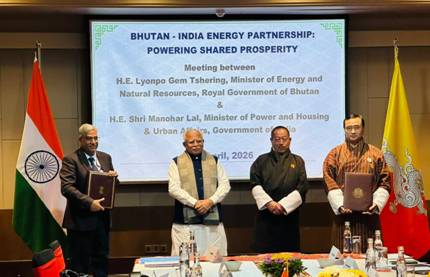
Two agreements were signed to enhance hydropower collaboration and improve cross-border electricity trading, aiming for a resilient, low-carbon future and regional energy security.
Why it matters: Prepare your clients for a grid-integrated future by prioritizing battery-ready systems that can thrive in an interconnected energy market.
Why This Matters for European Solar Installers
While the India-Bhutan energy corridor feels geographically distant, the underlying logic is a blueprint for the future of the European energy market. We are moving away from isolated national grids toward a deeply integrated, interconnected continental system. For solar installers in Europe, this signals a shift: your clients are no longer just buying panels; they are buying entry into a flexible, cross-border energy ecosystem.
Market Context and Implications
Europe’s transition relies on balancing intermittent solar generation with baseload stability. Much like India leverages Bhutan’s hydropower to balance its grid, European countries are increasingly relying on interconnectors to trade excess solar power during peak production and import stability during lulls. This macro-level integration will inevitably drive down wholesale energy prices during the day, making the business case for residential and commercial battery storage more critical than ever.
What Solar Businesses Should Watch For
The bottom line? The era of the 'siloed' solar installation is ending. Success now belongs to installers who position their hardware as a node in a larger, interconnected European network.