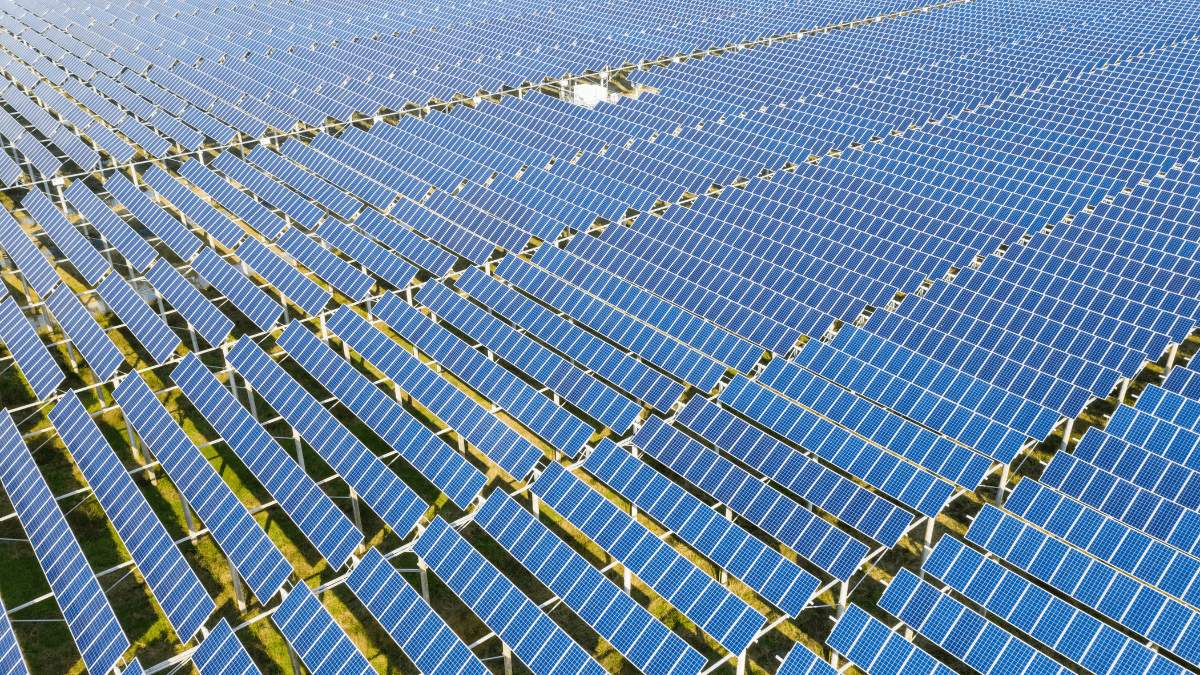
KNESS Baltic plans to implement a 55 MWh Battery Energy Storage System (BESS) project integrated with six existing solar plants in Latvia.
Why it matters: Pivot your business model toward storage retrofitting to capture the next wave of demand for grid-stabilization services.
The Shift from Generation to Grid Flexibility
The KNESS Baltic project is a bellwether for the European solar market. As the Baltic region moves past the initial 'gold rush' of PV capacity deployment, the primary challenge has shifted from simple generation to grid integration and asset optimization. For installers and developers, this signals that the next phase of profitability isn't just about installing panels—it's about fixing the intermittency issues that currently plague many European grids.
Why Retrofitting is the New Growth Engine
Integrating 55 MWh of storage into existing assets is a strategic masterclass in asset management. By retrofitting rather than building greenfield, developers can bypass lengthy permitting for new grid connections while simultaneously increasing the revenue potential of their existing fleet through:
Strategic Advice for Installers
If you are an installer, stop pitching solar as a standalone product. The market is evolving into a hybrid model where BESS is the standard expectation. You need to upskill your technical teams in DC-coupled vs. AC-coupled storage retrofits. Start auditing your existing client base for 'storage-ready' projects. The biggest opportunity in 2026 isn't the first sale; it's the second sale—the retrofit. Those who master the integration of storage into legacy solar plants will own the market as grid congestion becomes the new normal across Europe.