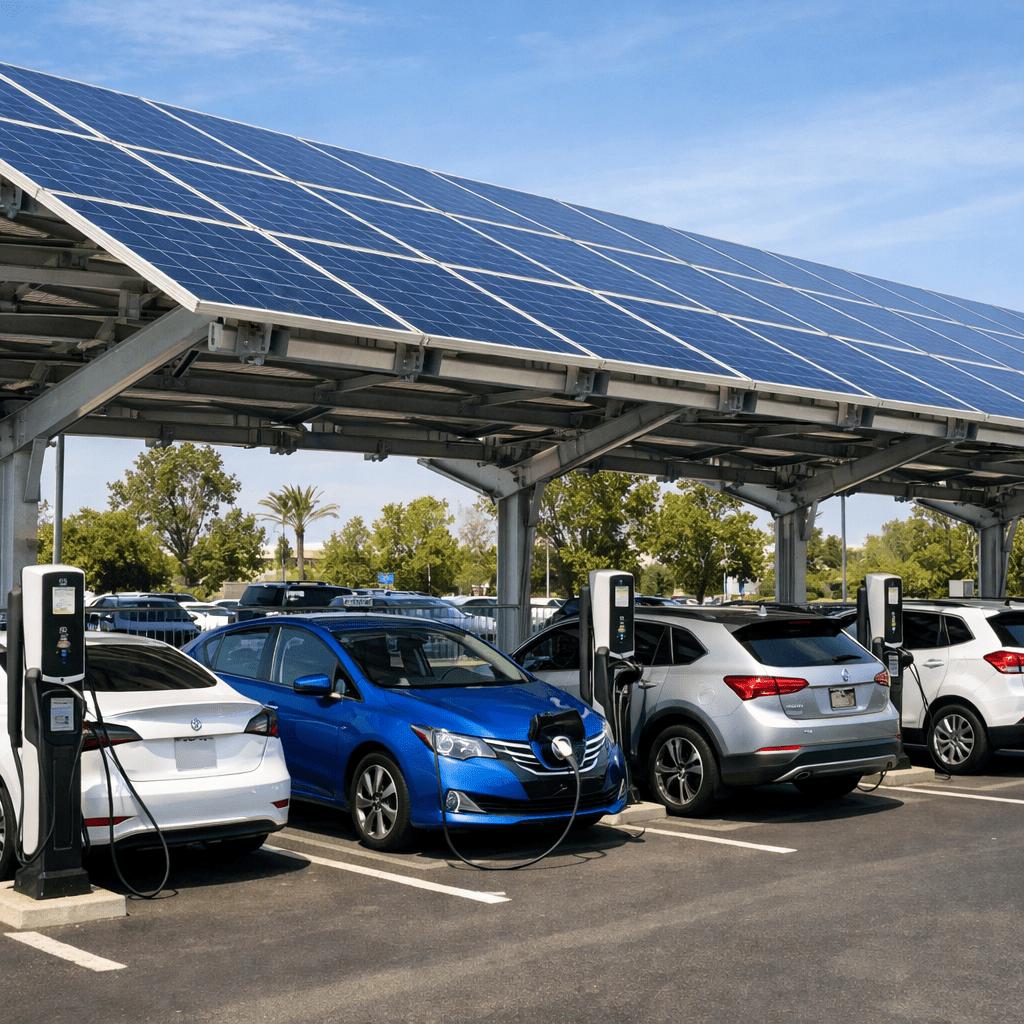
JTEKT Corporation has commissioned a large solar carport at its Tadotsu plant in Japan, in partnership with Peak Energy, under a 20-year Power Purchase Agreement. This installation will generate around 2,500 MWh of electricity annually, reducing carbon emissions by about 1,200 tons.
Why it matters: Pivot your commercial sales strategy toward solar carports to capture the growing demand for dual-use, high-value industrial energy infrastructure.
Why this matters for European solar installers
The JTEKT project highlights a critical shift in the commercial solar sector: the move toward 'dual-use' infrastructure. For European installers, the message is clear—the era of relying solely on rooftop solar is fading. Industrial carports offer a massive, untapped surface area that bypasses the structural limitations often found in aging European factory roofs.
Market context and implications
We are seeing a convergence of three market forces: corporate ESG mandates, the rising cost of grid-supplied electricity, and the aggressive expansion of corporate EV fleets. By utilizing parking lots, companies like JTEKT are securing long-term price stability via 20-year PPAs. This model is highly replicable in Europe, particularly in countries with high industrial density like Germany, Italy, and France. When you combine solar carports with onsite battery storage and EV charging infrastructure, you transition from a 'solar panel installer' to an 'energy systems integrator,' significantly increasing your project margins.
What solar businesses should watch for