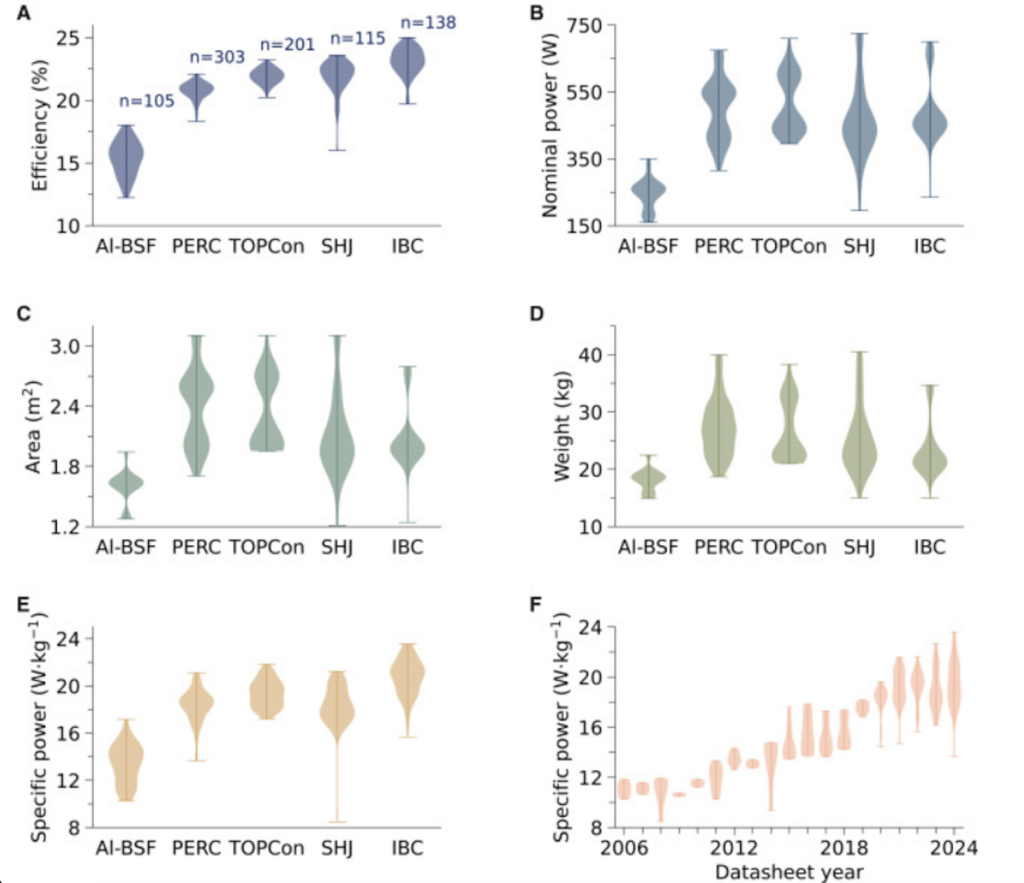
Un equipo internacional de investigadores ha constatado que la potencia específica de los módulos comerciales ha pasado de aproximadamente 8,5 W/kg a comienzos de la década de 2000 a 23,6 W/kg en la actualidad, lo que refleja una mejora sustancial en el rendimiento estructural de esta tecnología.
Why it matters: Unlock new revenue streams by targeting previously unviable roofs with high-performance, lightweight solar technology.
The Structural Shift in PV Installation
For European installers, the tripling of power-to-weight ratios is not just an academic milestone—it is a massive operational unlock. As we hit the ceiling of residential rooftop capacity in mature markets like Germany and the Netherlands, the ability to install high-performance systems on structures previously deemed 'unsuitable' is a major competitive advantage.
Why this matters for your business:Market Context: We are seeing a shift where 'watt-per-kilogram' is becoming as critical a metric as 'watt-per-square-meter.' In the European context, where structural safety codes (Eurocodes) are becoming increasingly stringent, lightweight modules reduce the need for expensive structural reinforcements. This effectively lowers the 'soft costs' of a project, which is where most installers lose their margin.
What to watch for:Keep a close eye on the balance between this increased power-to-weight ratio and long-term durability. While the tech is impressive, ensure the mounting systems you choose are certified for these newer, thinner laminates. Don't let the weight savings lead to compromised wind-load resistance. As these modules become the new standard, your ability to upsell 'lightweight-ready' projects to industrial clients will be a key revenue driver for 2025 and beyond.