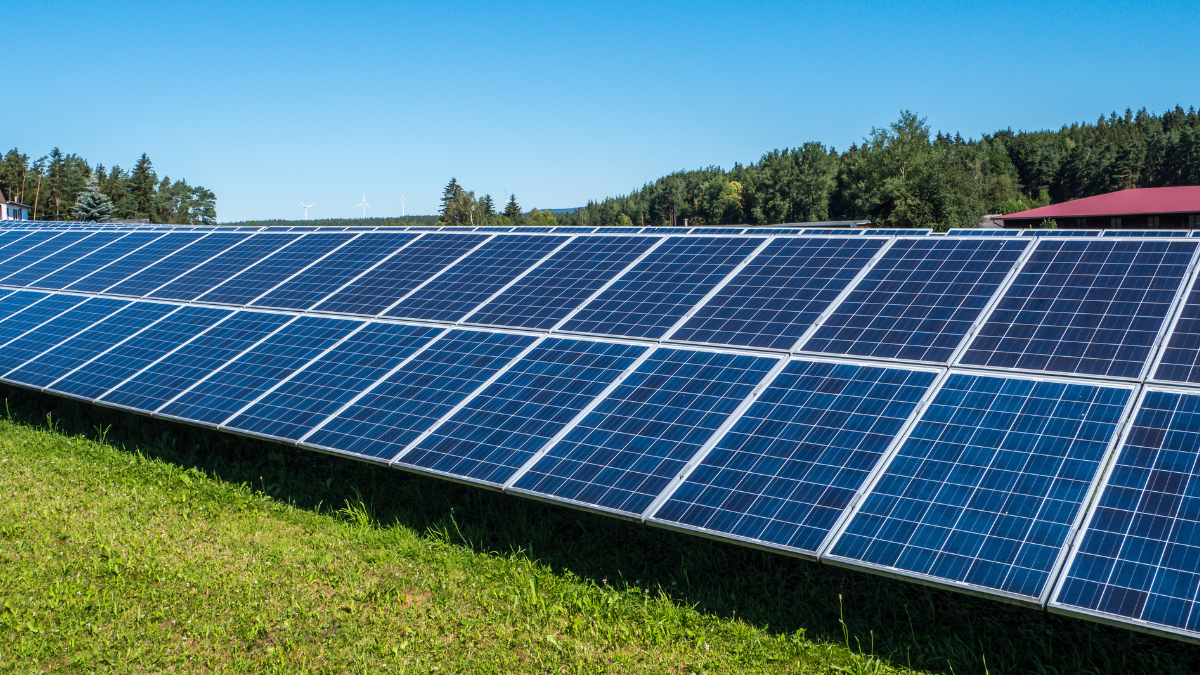
Sonnedix has secured 7.9TWh contracts in Italy's Energy Release 2.0, marking 11.7% of total awards and enhancing its market position.
Why it matters: Prepare your business for a market shift toward complex, storage-integrated commercial projects as utility-scale players dominate the landscape.
Strategic Aggregation in the Italian Market
The success of Sonnedix in Italy’s Energy Release 2.0 scheme is a clear signal that the Italian solar market is shifting from fragmented, small-scale development toward large-scale institutional dominance. By capturing 11.7% of the total awarded volume, Sonnedix isn't just building capacity; they are securing long-term price stability that smaller players often struggle to negotiate.
What This Means for Installers
Market Implications
Italy is moving toward a mature, utility-scale environment. The Energy Release 2.0 scheme is designed to provide price security, but it favors those with the balance sheet to manage multi-year obligations. For the average solar business, the takeaway is clear: the era of 'easy' residential installs is being crowded out by utility-scale maneuvers. You cannot compete on volume; you must compete on the complexity of the installation—specifically in grid-balancing, energy management systems (EMS), and storage optimization.
Watchlist
Keep a close eye on how these large-scale awards influence local grid connection timelines. As major players occupy significant portions of the transmission capacity, queue management will become a massive bottleneck. Smart installers will start positioning themselves as 'grid-readiness' experts to help commercial clients navigate these increasingly congested landscapes.