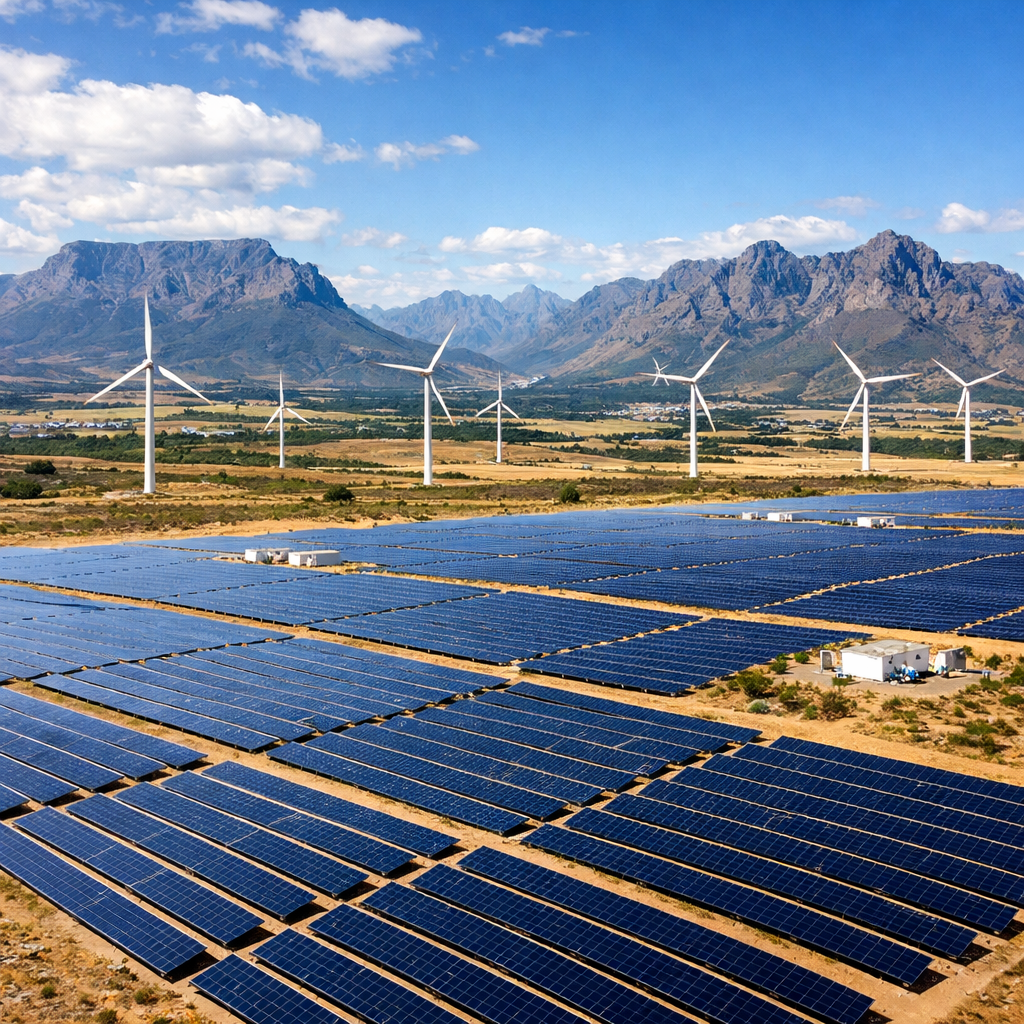
In 2025, South Africa's renewable energy sector experienced significant growth, with 36,700 MW capacity allocated. The Renewable Energy Independent Power Producer Procurement Programme alone contributed 7,083 MW.
Why it matters: Leverage the global trend of energy security to bundle storage with every solar installation.
Why This Matters for European Installers
While South Africa’s grid crisis is extreme compared to most EU markets, the rapid scale-up of their renewable capacity offers a blueprint for how quickly decentralized energy can move when regulation aligns with necessity. For European solar installers, the lesson here is simple: resilience is the primary driver of adoption. Just as South African businesses pivoted to solar to escape load-shedding, European commercial and industrial (C&I) clients are increasingly viewing solar as a hedge against price volatility rather than just a sustainability initiative.
Market Context and Implications
The reliance on coal remaining at 81% despite massive capacity allocation highlights a classic 'grid bottleneck' issue. This is a familiar frustration for many EU installers dealing with lengthy connection queues in Germany, Italy, or Spain. When you see massive capacity numbers, you must look at the realized generation. The gap between allocated MW and actual GWh fed into the grid is where the opportunity lies for savvy installers who pivot to storage-integrated solutions. If the grid cannot handle the output, the project isn't finished until the battery is installed.
What Solar Businesses Should Watch For