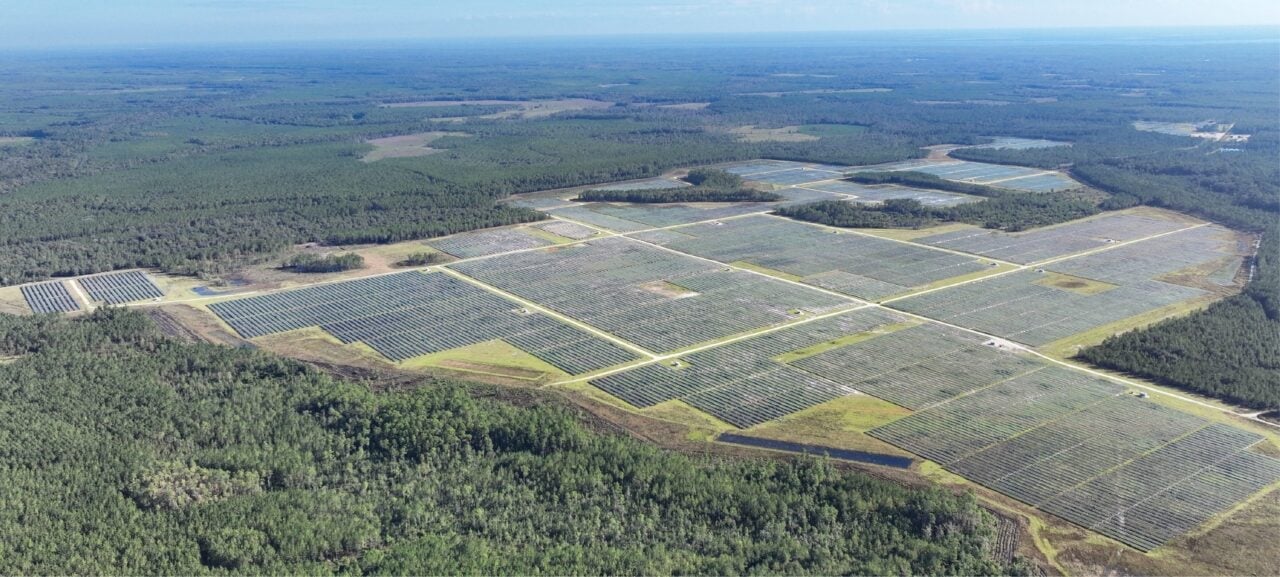
Origis Energy has secured US$118 million in tax equity financing for the Chalan solar-plus-storage project in Kern County, California.
Why it matters: Prioritize solar-plus-storage bundles to secure better financing terms and differentiate your portfolio from standard PV-only competitors.
The Financial Shift Toward Hybridization
While this deal takes place in the US market, European solar installers should pay close attention to the mechanics of this financing. As the European market shifts from pure-play solar to integrated solar-plus-storage models, the challenge of 'bankability' is becoming the primary hurdle for medium-to-large residential and C&I projects.
Why this matters for EU installers:Investors are increasingly wary of standalone solar volatility. By pairing storage, Origis is demonstrating that battery integration is no longer a 'nice-to-have'—it is a financial necessity to secure institutional capital. For European installers, this means your sales pipeline must pivot to emphasize storage as a risk-mitigation tool for the investor, not just a consumption tool for the homeowner.
Market context and implications:The European energy landscape is currently grappling with negative pricing and grid congestion. Projects that cannot shift their load via storage are seeing their internal rates of return (IRR) compressed. We are seeing a clear bifurcation in the European market: installers who can execute complex hybrid systems are attracting premium financing partners, while those sticking to basic PV installations are finding it harder to secure competitive credit facilities for their end-users.
What to watch for: