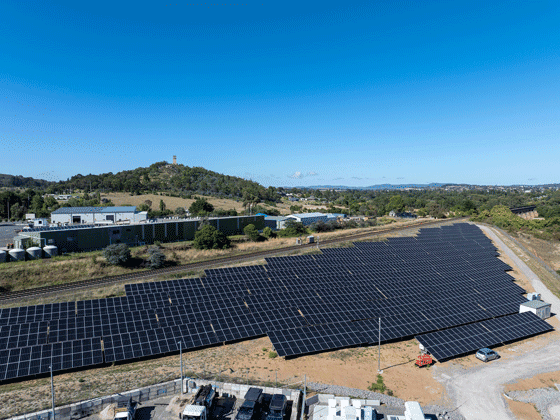
Trinasolar has successfully commissioned a solar-plus-storage project at the Goulburn Community Solar Farm in New South Wales, featuring a 1.4 MW capacity and a 4.07 MWh battery system.
Why it matters: Pivot your business model toward solar-plus-storage to capture the growing demand for local, decentralized energy resilience.
The Rise of Decentralized Energy Models
While this project is based in Australia, European solar installers should take note of the underlying architecture. The shift toward community-owned, grid-integrated storage is not just a trend; it is the inevitable response to grid congestion issues currently plaguing markets like the Netherlands, Germany, and the UK.
Why This Matters for European Installers
For small-to-medium installers, the 'community-owned' model represents a massive, untapped pipeline. As residential rooftop saturation increases, installers must pivot toward commercial and industrial (C&I) microgrids and community energy cooperatives. By bundling solar with storage, you move from being a hardware provider to an energy services partner, creating long-term recurring revenue through O&M contracts.
Market Context and Implications
The Australian project utilizes a significant storage-to-solar ratio (nearly 3:1 in MWh to MW). This is the 'golden ratio' for future-proofing installations. In the EU, where feed-in tariffs are declining and negative pricing is becoming frequent, standalone solar projects are losing their edge. Adding a battery is no longer a 'nice-to-have'—it is the only way to ensure project bankability when wholesale prices crash at midday.
Strategic Advice for Your Business
The era of simple PV installation is ending. The era of the intelligent, storage-backed energy hub has arrived.