The hybrid power systems, combining solar and thermal energy, aim to reduce costs and dependence on the national grid.
Why it matters: Position your solar business as a provider of industrial energy independence, not just a hardware installer.
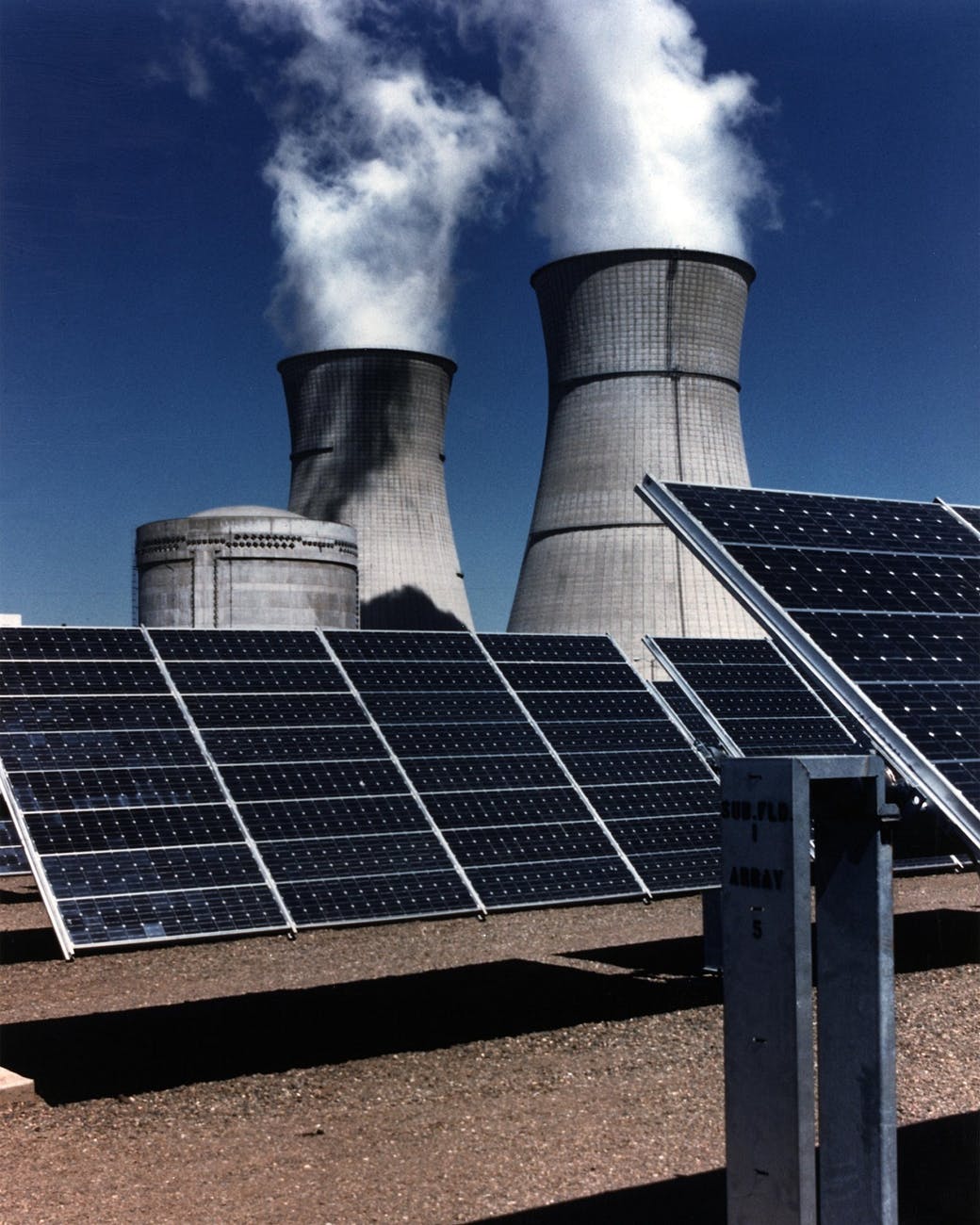
The hybrid power systems, combining solar and thermal energy, aim to reduce costs and dependence on the national grid.
The Shift Toward Energy Autonomy
Endeavour Mining’s move into hybrid solar-thermal systems is a masterclass in the growing demand for industrial energy security. While this project is based in Africa, the underlying trend—de-risking operations from volatile national grids through self-generation—is rapidly gaining momentum across the European Commercial & Industrial (C&I) sector.
Why This Matters for European Installers
European solar installers must pivot from simple 'rooftop PV' providers to integrated energy solution architects. Industrial clients, particularly those in manufacturing and high-energy-demand sectors, are no longer just looking to save on utility bills; they are looking to protect against grid instability and skyrocketing peak-load tariffs. The ability to integrate solar with battery storage, diesel/gas backup, or existing thermal infrastructure is the new premium skill set.
Strategic Takeaways
The market is moving away from simple Net Metering models. Businesses should watch for the integration of AI-driven load balancing, which allows for seamless switching between solar, storage, and grid power. If your CRM isn't tracking your clients' industrial energy profiles—peak hours, base loads, and existing fossil-fuel infrastructure—you are missing the chance to propose the high-margin, complex systems that define the future of the European C&I market.