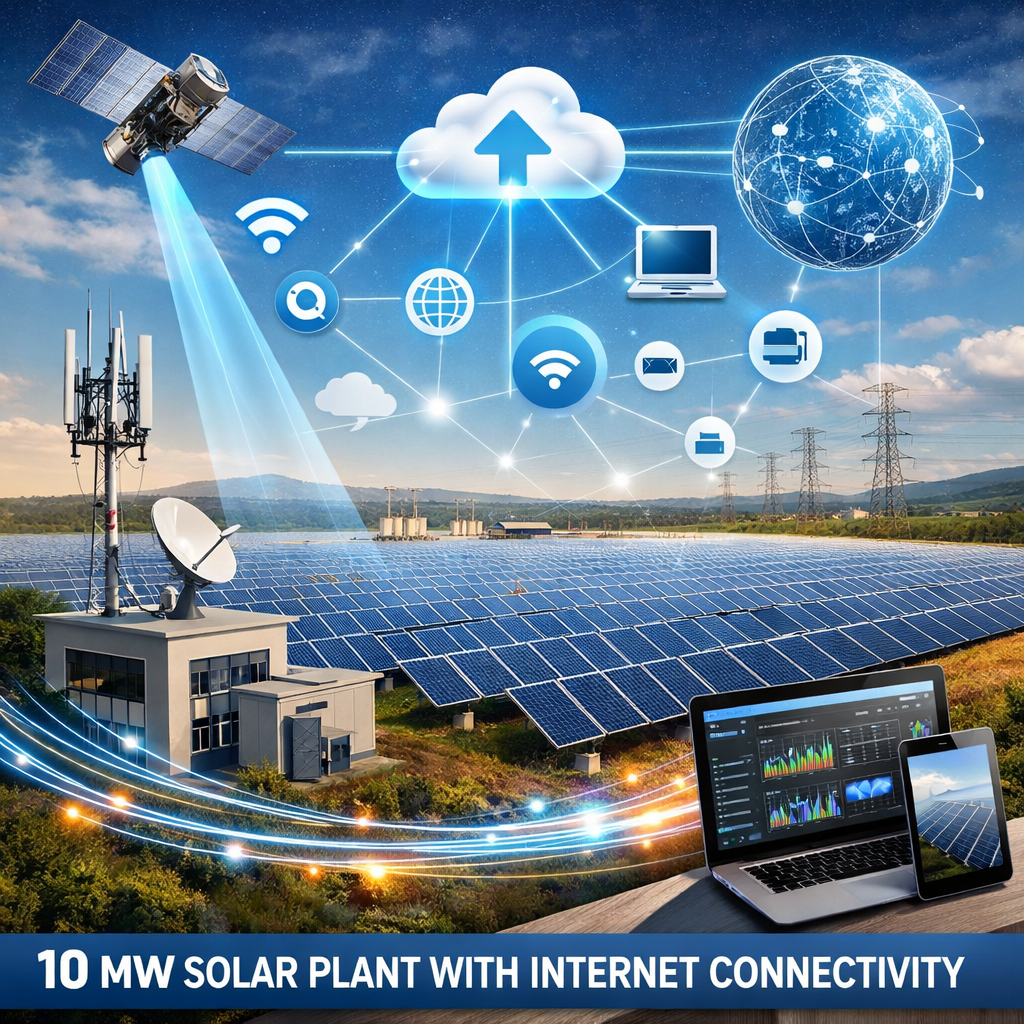
The Solar Energy Corporation of India Limited (SECI) issued a tender for Internet Leased Line services to support its 10 MW solar project in Jodhpur, Rajasthan. The five-year contract requires a minimum 10 Mbps connection and includes hardware installation and maintenance.
Why it matters: Prioritize robust, dedicated connectivity in your O&M contracts to future-proof your assets for VPP integration and grid-balancing requirements.
The Digital Backbone of Modern Solar
While this tender originates from the Indian market, it serves as a critical bellwether for European solar installers and O&M providers. We are moving past the era where 'monitoring' meant a simple cellular gateway and a basic dashboard. As grid-balancing requirements and VPP (Virtual Power Plant) integration become mandatory across the EU, the stability of the data link is becoming as critical as the inverter hardware itself.
Why This Matters for European Installers
Market Implications
The transition to 5-year service contracts for connectivity highlights that solar assets are increasingly treated as critical digital infrastructure. We expect to see a surge in demand for 'Connectivity-as-a-Service' packages in the EU. Installers who can bundle reliable, secure internet infrastructure with their solar installations will capture higher margins and ensure better asset performance.
What Businesses Should Watch For
Watch for increased regulatory pressure on cybersecurity in solar assets (e.g., the EU’s NIS2 Directive). Moving forward, connectivity shouldn't just be about uptime—it must be about secure, encrypted data transmission. Start vetting your IoT gateway suppliers for advanced security features now, or you’ll be retrofitting your entire install base in three years.