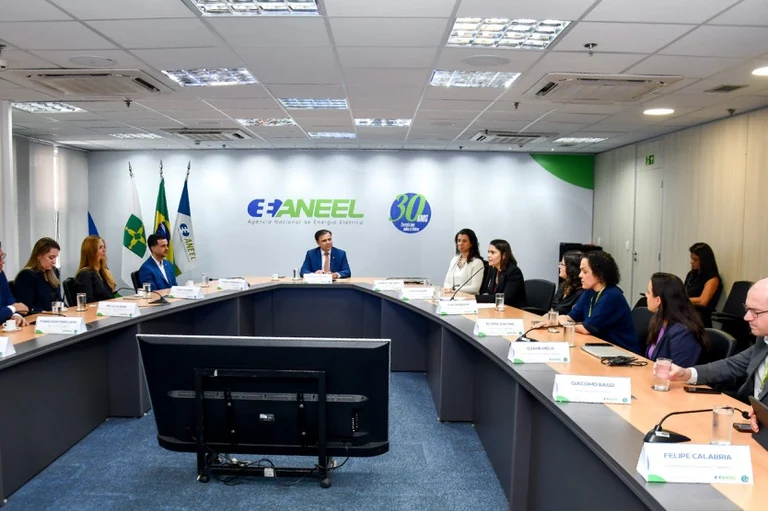
Brazil's national regulator, ANEEL, postponed an important decision on energy storage, days after approving the country's first hybrid plant.
Why it matters: Prioritize selling BESS based on immediate self-consumption savings rather than banking on uncertain future grid-service regulations.
Regulatory Bottlenecks are a Global Phenomenon
While this news originates from Brazil, the underlying tension between rapid technology deployment and sluggish regulatory frameworks is a familiar headache for European solar installers. We are seeing a pattern where grid operators and regulators struggle to integrate Battery Energy Storage Systems (BESS) into legacy market structures, leading to ‘regulatory lag.’
Why This Matters for European Installers
For European businesses, the takeaway is clear: regulatory uncertainty is the biggest risk to your BESS project pipeline. When regulators delay rulemaking, they create a 'wait-and-see' environment that freezes capital investment. Installers must stop selling 'future-proof' systems based on hypothetical grid service revenue and start focusing on tangible, behind-the-meter ROI, such as peak shaving and self-consumption optimization.
Market Implications
What to Watch For
Watch for how European national regulators handle 'Stackable Revenue' models. If a country moves to allow BESS to participate in both frequency response and energy arbitrage simultaneously, that is your signal to aggressively pivot your sales strategy toward commercial and industrial (C&I) clients.