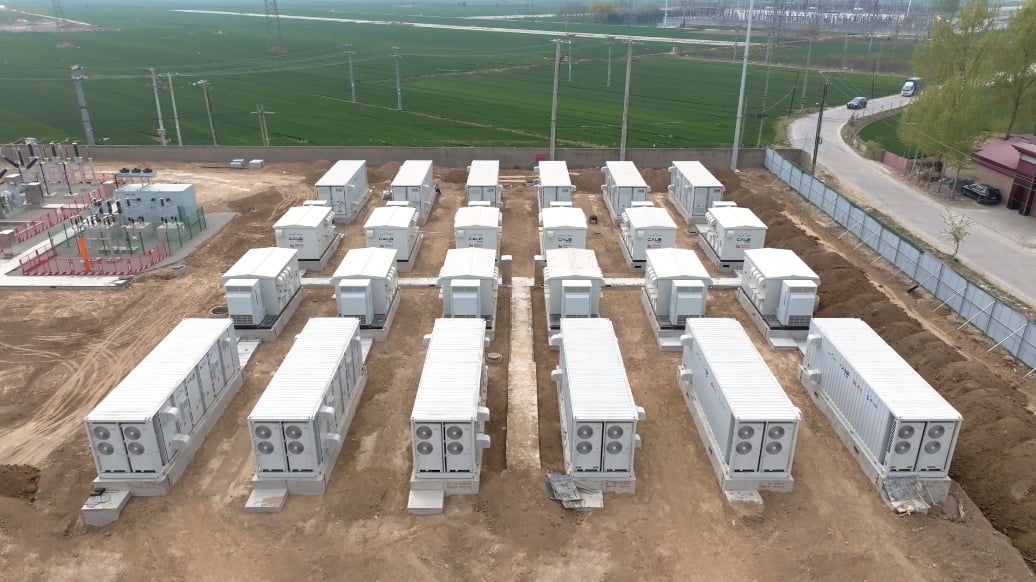
Energy storage firm Guoxia Technology (02655.HK) has released its first full annual report since listing on the Hong Kong Stock Exchange late last year.
Why it matters: Secure your supply chain by diversifying storage vendors before utility-scale demand creates residential inventory shortages.
The Utility-Scale Gravity Pull
Guoxia’s explosive growth—doubling revenue and profits—is a clear signal that the capital intensity of the energy transition is shifting decisively toward large-scale infrastructure. For European solar installers, this isn't just a headline from Hong Kong; it is a preview of the supply chain dynamics that will dictate your procurement costs and equipment availability in the coming 24 months.
Why this matters for your installation business:
As manufacturers prioritize the massive margins found in utility-scale battery energy storage systems (BESS), the residential and C&I (Commercial & Industrial) markets face a potential squeeze. When Tier-1 players lean into grid-scale projects, inventory for smaller-scale residential installs can become volatile. If you rely on a single brand for your home storage solutions, you are vulnerable to these strategic pivots.
Market Implications:
The shift to utility-scale reflects a broader industry trend where grid stability, rather than just self-consumption, is becoming the primary revenue driver. In Europe, where grid congestion is a growing bottleneck for new solar connections, these storage giants are positioning themselves as the 'fixers' for grid operators. This will likely lead to a consolidation of storage hardware, where only firms with the scale to handle massive grid-side contracts survive.
Strategic Advice: