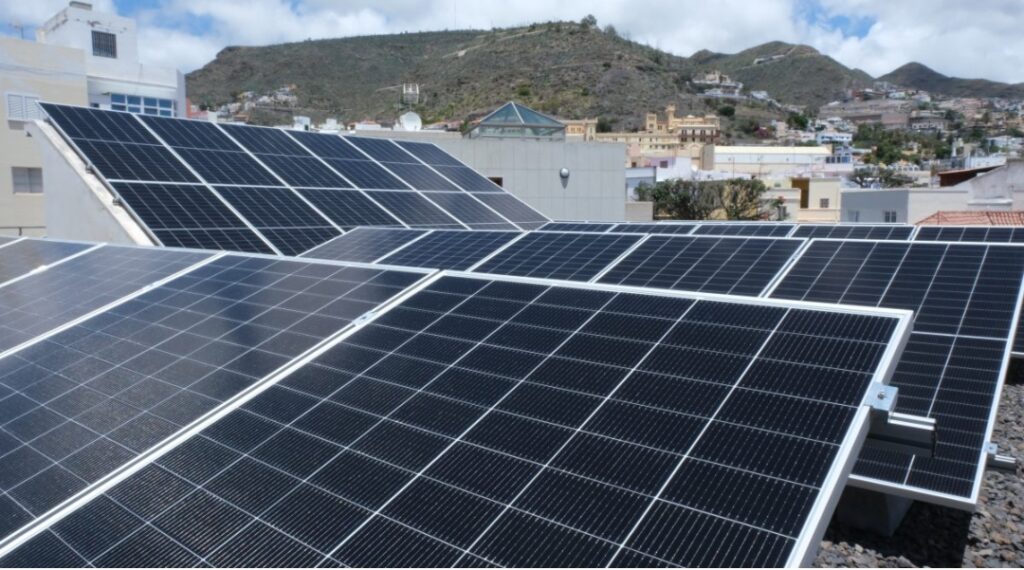
El marco metodológico CLIMAX, desarrollado por científicos españoles, demuestra que una planificación inteligente permite que la combinación de energía eólica y solar se comporte de manera más similar a una fuente firme, mejorando el ajuste entre generación y demanda.
Why it matters: Differentiate your business by offering hybrid, grid-stable energy solutions that command higher margins and easier grid approval.
The Shift Toward Firm Power
For European solar installers, the 'duck curve' and grid curtailment are no longer just theoretical risks—they are active threats to project profitability. The CLIMAX methodology highlights a critical transition in our market: moving away from standalone PV installations toward integrated hybrid assets. By co-locating wind and solar, developers can smooth out the volatility inherent in single-source generation, creating a more reliable 'firm' power profile that grid operators are increasingly demanding.
Market Implications for Installers
As EU grid congestion worsens, installers who can pitch hybrid solutions—or at least smart, software-driven energy management—will win the high-value commercial and industrial (C&I) contracts. The days of simply slapping panels on a roof are ending. We are entering an era where the value of an installation is dictated by its grid-friendliness.
What to Watch
Keep a close eye on the rollout of localized grid-balancing markets. As these frameworks mature across the EU, the ability to control output to match real-time demand will transform from a 'nice-to-have' technical feature into a significant revenue stream for your clients. Start partnering with software providers who offer robust EMS (Energy Management System) solutions today to stay ahead of the curve.