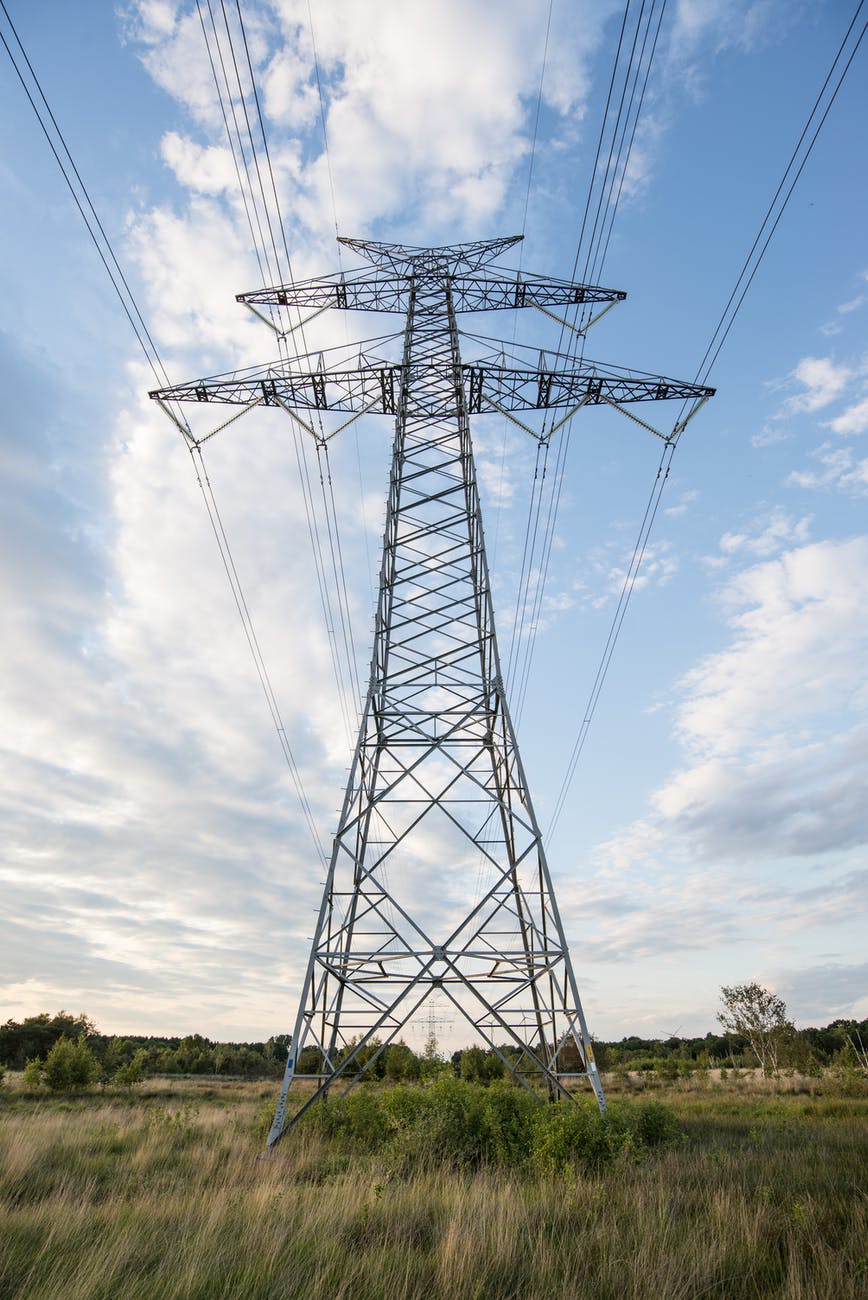
With installed capacity reaching 520.5 GW, over half from non-fossil fuels, the country emphasizes renewable energy, energy storage, and grid efficiency to ensure reliability and sustainability.
Why it matters: Pivot your sales strategy from simple solar panel installations to comprehensive energy management and storage solutions to future-proof your business.
The Global Shift Toward Managed Renewables
India’s 2026–2036 roadmap serves as a mirror for the challenges currently facing the European solar market. As we transition from a 'generation-first' mindset to a 'system-integration' reality, the Indian focus on grid reliability alongside massive renewable deployment is a blueprint for what European regulators will inevitably demand next.
Why This Matters for EU Installers
Market Context and Implications
Europe is ahead on distributed generation but lagging on grid-scale flexibility. While India is building massive central infrastructure, European installers are on the front lines of the 'prosumer' revolution. The implication is clear: the solar installer of 2030 is not a roofer with a multimeter; they are a decentralized energy systems manager. If your business model doesn't include smart energy management systems (EMS) or battery integration, you are building a product for a market that is rapidly disappearing.
What to Watch For
Keep a close eye on the EU's own grid adequacy reports. As renewable penetration climbs, regulators will increasingly restrict grid access for systems without intelligent curtailment or storage capabilities. Start vetting your hardware suppliers for advanced grid-forming inverter capabilities today, as these will likely become a mandatory installation standard across the EU within the next three to five years.