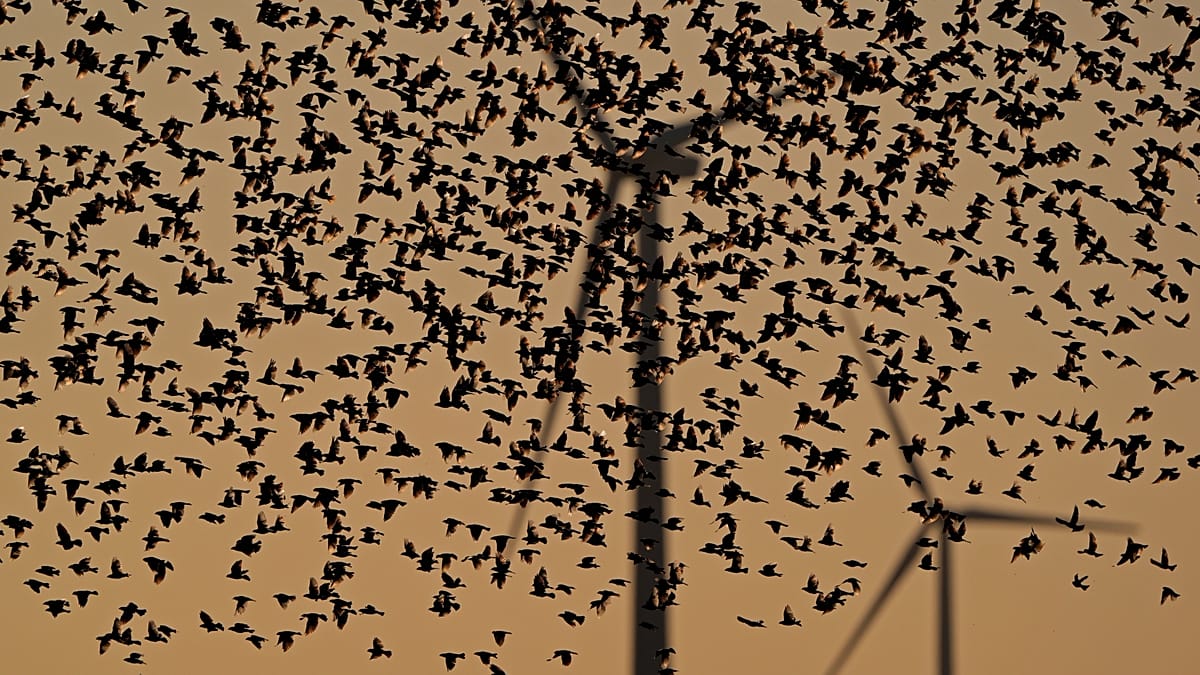
Critics say wind turbines endanger birds but two new studies have now analysed the risk in more detail. What they have found could change the debate.
Why it matters: Leverage biodiversity-positive solar designs to bypass local planning delays and differentiate your firm in a crowded market.
The Biodiversity Barrier in Renewable Permitting
For European solar installers, the 'bird strike' debate in the wind sector is more than just industry gossip—it is a bellwether for the tightening regulatory environment surrounding environmental impact assessments (EIAs). As the EU pushes for faster permitting under the REPowerEU plan, the scrutiny on solar projects regarding land use and local biodiversity is intensifying.
Why this matters for your pipeline:Local opposition often weaponizes environmental concerns to stall solar farm developments. When wind energy is exonerated by new data, the 'environmental critique' pressure naturally shifts toward ground-mounted solar projects. Installers who proactively integrate biodiversity-positive designs—such as pollinator-friendly ground cover or avian-safe fencing—will face significantly fewer permitting bottlenecks than those treating environmental mitigation as an afterthought.
Strategic Market Implications:- Permitting Velocity: Projects that demonstrate a net-positive impact on local ecosystems are currently seeing faster approval times in Germany and the Netherlands.
- ESG Reporting: As corporate clients demand higher ESG standards, your ability to provide 'nature-inclusive' solar installations becomes a competitive differentiator.
What to watch for:Keep a close eye on the EU’s Nature Restoration Law. We expect future legislation to mandate specific biodiversity metrics for all renewable installations over a certain capacity. Instead of fighting these regulations, leading installers should pivot their value proposition to highlight how solar arrays can function as protected sanctuaries, effectively neutralizing NIMBY-led ecological arguments before they reach the local planning committee. Focus your sales pitch on the synergy between clean energy and habitat restoration; it is the most effective way to insulate your project pipeline from regulatory delays.