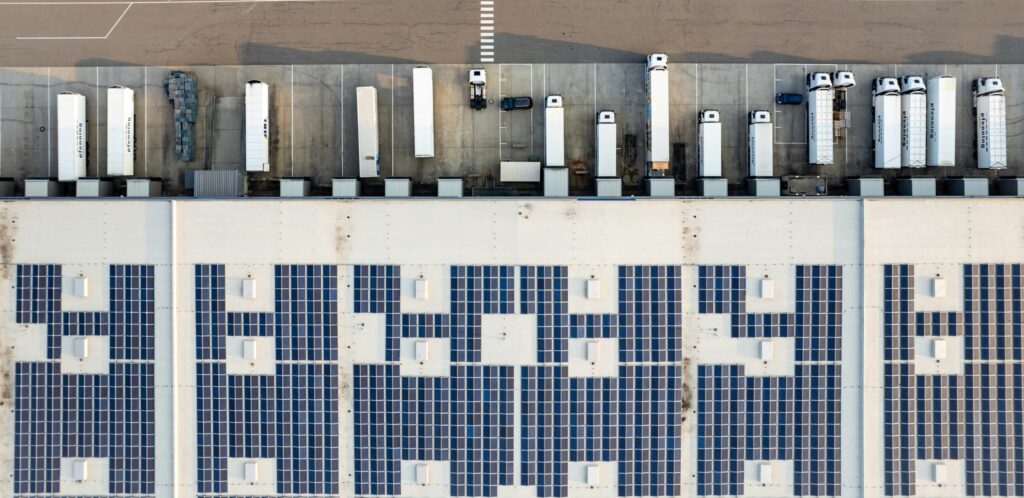
El presupuesto total del contrato es de 772.154 euros y las empresas interesadas pueden presentar sus ofertas hasta el 8 de mayo. El plazo de ejecución de las obras es de cuatro meses.
Why it matters: Target specialized infrastructure tenders in the maritime sector to build high-value, resilient project portfolios.
The Infrastructure Pivot: Why Ports Are the New Solar Frontier
The Port of Tarragona’s latest 304 kW tender is a microcosm of a broader trend across Mediterranean logistics hubs: the transition from fossil-fuel-reliant maritime infrastructure to decentralized, self-consuming solar microgrids. For European solar installers, this signals a shift in the procurement landscape.
Why this matters for installers:Public tenders in the maritime and industrial sector often carry higher technical requirements than residential or C&I rooftop projects. The corrosive salt-air environment and high wind-load specifications mean installers must demonstrate expertise in specialized mounting systems and corrosion-resistant materials. Winning such a bid is a powerful credential for future port-related energy contracts.
Market Context and Implications:With the EU’s RePowerEU initiative pushing for faster permitting and the electrification of ports, we are seeing a surge in 'Port-to-Grid' projects. However, the budget-to-capacity ratio here—roughly €2,500 per kW—reflects the inherent complexity of integrating solar into aging port infrastructure. This is not a 'plug-and-play' job; it requires sophisticated engineering and compliance with strict port authority safety regulations.
Strategic Advice for Solar Businesses: