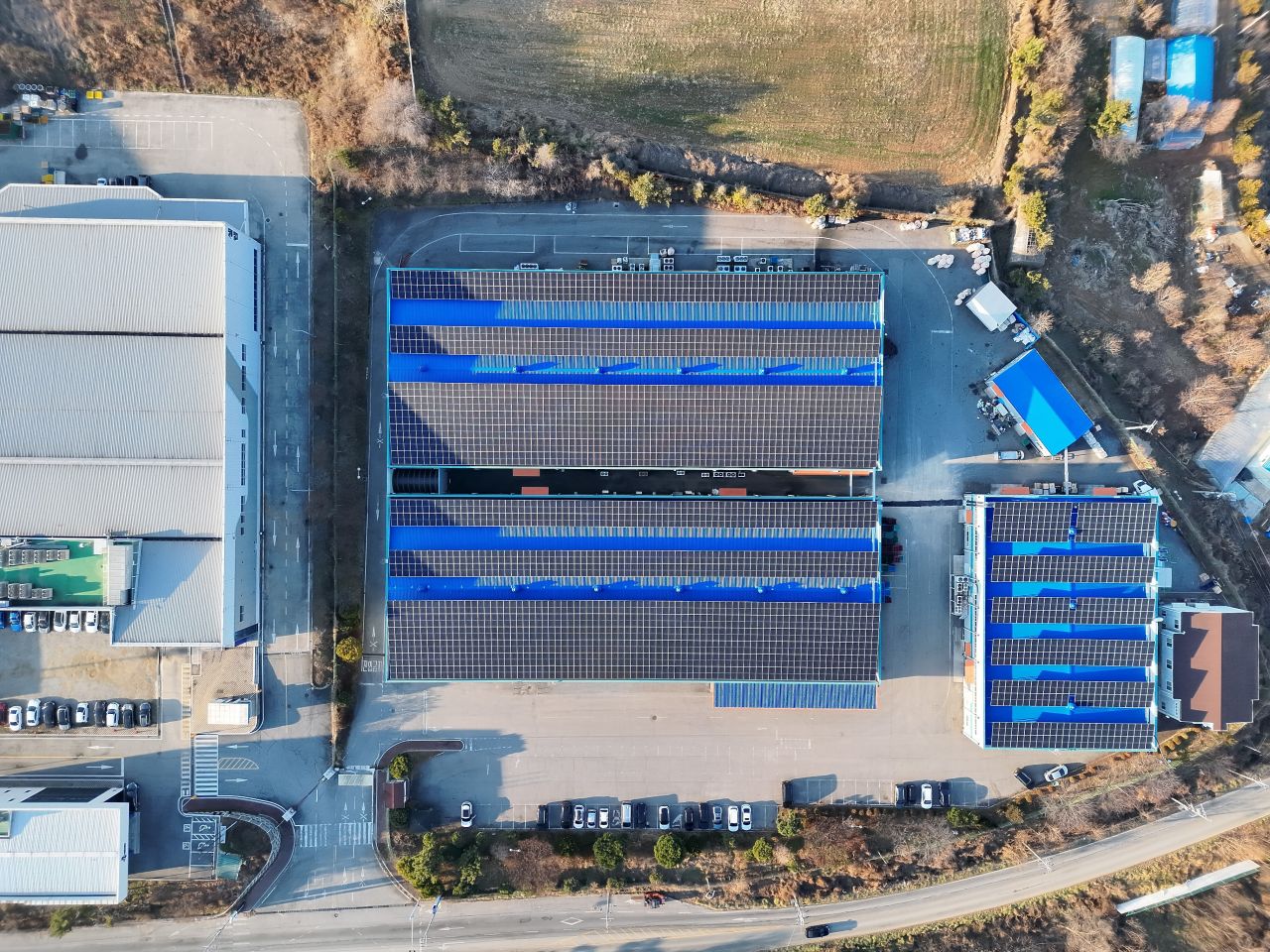
Peak Energy Korea has commenced commercial operation of the Youngjin SP rooftop solar power plant, contributing renewable energy to the Korean grid. This 1.19 MWp facility enhances Peak Energy's footprint in the rooftop solar market, promoting energy transition, carbon reduction, and providing stable income for host facilities without upfront costs.
Why it matters: Adopt an 'Energy-as-a-Service' model to unlock high-value industrial projects without forcing clients to pay upfront.
Why the C&I Model is Winning
While this project is based in South Korea, the underlying mechanics are a blueprint for the European Commercial & Industrial (C&I) sector. The 'no-upfront-cost' model—often structured as a Power Purchase Agreement (PPA) or a rooftop lease—is the single most effective lever for unlocking the massive, untapped potential of industrial roof space in Europe.
Market Context: The Shift to Asset-Backed Solar
European installers often focus heavily on residential retrofits, but the real margin stability lies in mid-to-large scale C&I projects. As grid parity becomes the norm, businesses are no longer just looking for 'green credentials'; they are looking for long-term energy price certainty. Projects like Youngjin SP demonstrate that when you remove the capital expenditure barrier for the building owner, the sales cycle changes from a 'negotiation of cost' to a 'discussion of long-term operational savings.' This is how you build a recurring, predictable revenue stream for your installation business.
What Businesses Should Watch For
Stop selling hardware; start selling energy management services. The installers who pivot to this 'Energy-as-a-Service' model will dominate the next decade of the European market.