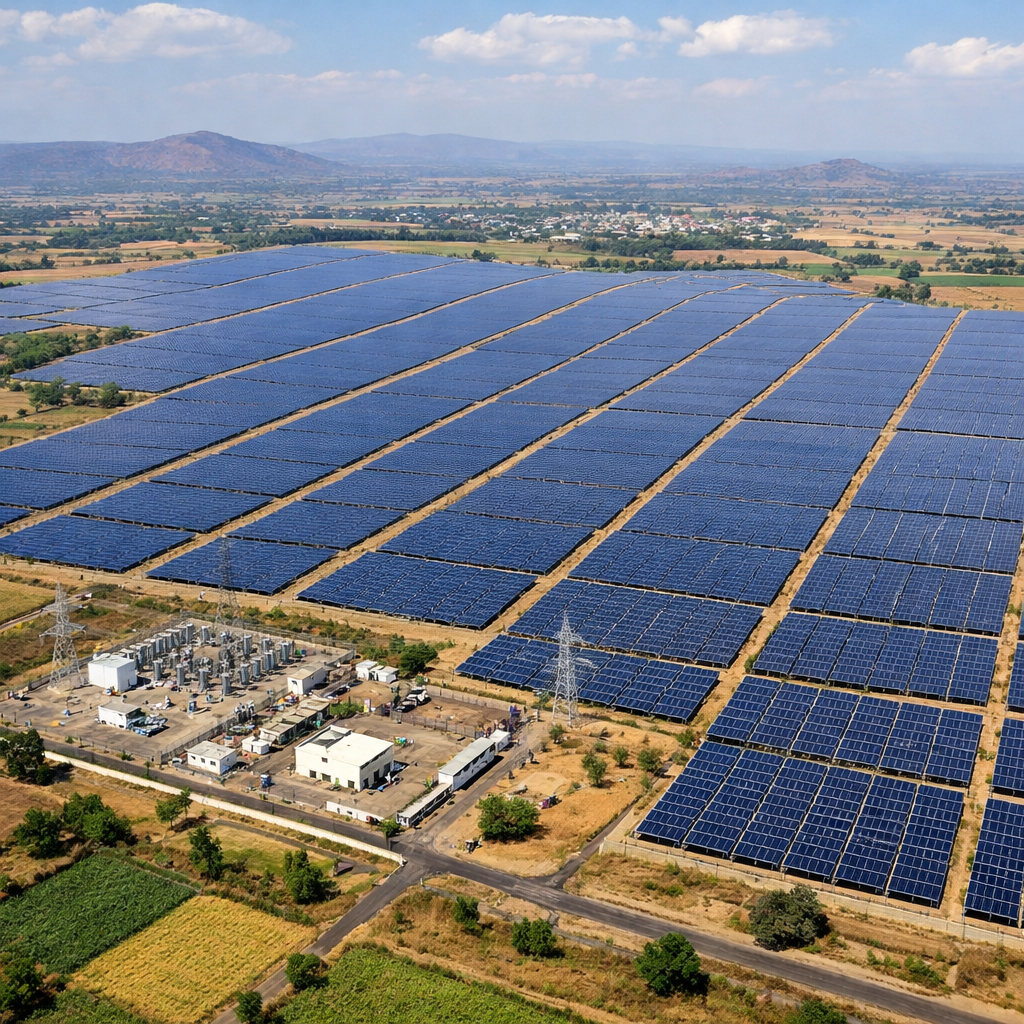
The Solar Energy Corporation of India Limited (SECI) has issued a request for proposal to raise ₹660 crores for a 200 MW solar PV power project in Dhar, Madhya Pradesh. The total project cost is estimated at ₹944.78 crores, with funding to be arranged through an 80:20 debt-equity ratio.
Why it matters: Leverage institutional financing models to scale your commercial solar business and secure long-term client contracts.
Why This Matters for European Solar Installers
While this project is based in India, the financing mechanics offer a clear window into the future of utility-scale solar. The 80:20 debt-equity ratio is a benchmark that European installers should monitor closely. As the European market matures and moves from subsidy-heavy models to merchant and PPA-driven projects, the ability to structure debt-heavy portfolios is becoming the primary differentiator between regional installers and national players.
Market Context & Implications
The global solar sector is witnessing a shift where institutional capital is increasingly targeting specific, large-scale assets rather than broad corporate debt. SECI’s move to secure dedicated project financing highlights the necessity of bankability in the current high-interest-rate environment. For European firms, this reinforces the trend that project-level transparency and financial engineering are now as critical as technical installation expertise. If you aren't already partnering with specialized green-finance lenders to offer your commercial clients flexible payment structures, you are missing out on a massive market segment.
What Businesses Should Watch For
European installers must pivot from being 'service providers' to becoming 'energy project partners' who understand the full lifecycle of capital and return on investment.