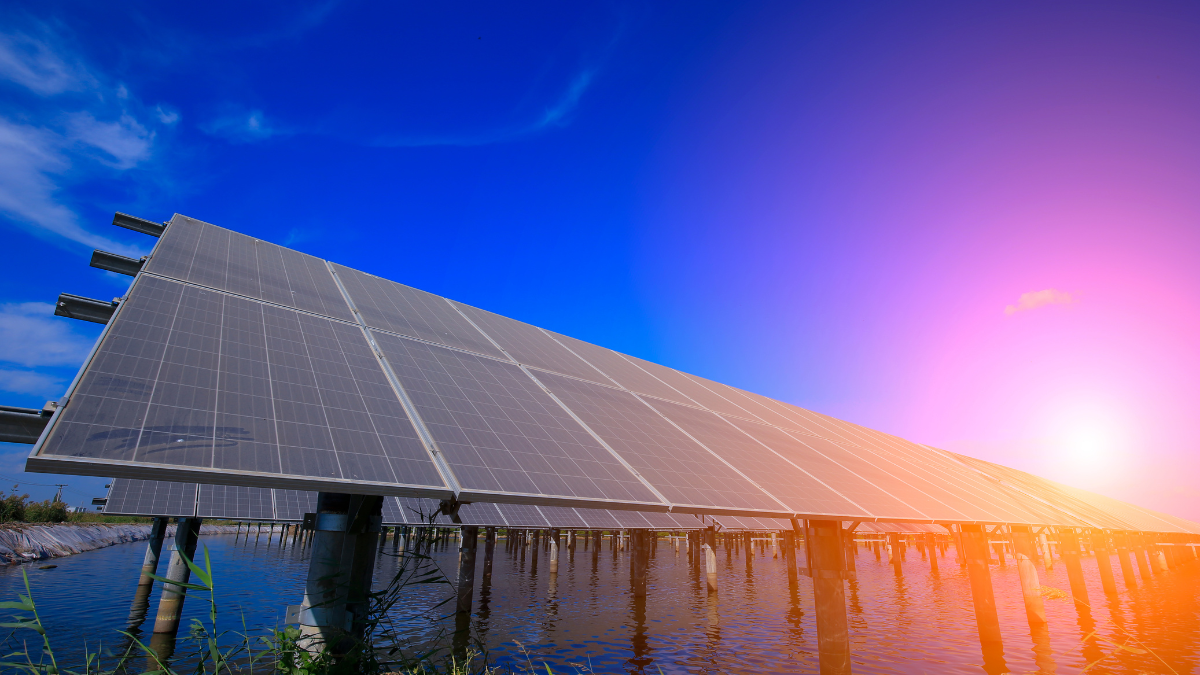
JTEKT Corporation has launched a 2 MWp solar carport in Kagawa Prefecture, Japan, through a 20-year agreement with Peak Energy. This initiative aims to reduce electricity costs by 40% and avoid approximately 1,090 tons of CO₂ emissions annually.
Why it matters: Capitalize on the growing demand for solar carports to unlock new commercial revenue streams beyond traditional rooftop installations.
Why This Matters for European Installers
While this project is based in Japan, it serves as a masterclass in the untapped potential of solar carports for the European market. As land availability for ground-mount solar tightens and grid connection queues grow, European installers must pivot toward dual-use infrastructure. Solar carports represent a high-value opportunity to turn underutilized asphalt into revenue-generating assets.
Market Context and Implications
European commercial and industrial (C&I) clients are under immense pressure to meet ESG targets and stabilize energy costs. The 40% cost reduction mentioned in this project is a compelling hook for any sales pitch. Unlike standard roof-top installations, carports offer:
What Solar Businesses Should Watch For
The shift here is toward long-term PPA models. Installers who can facilitate or partner with energy service companies (ESCOs) to offer 20-year power purchase agreements will capture a much larger slice of the market than those relying solely on one-off EPC contracts. Start identifying local commercial clients with large parking footprints—supermarkets, logistics hubs, and manufacturing plants. Don't just sell panels; sell the 20-year energy savings and the infrastructure upgrade that comes with it.