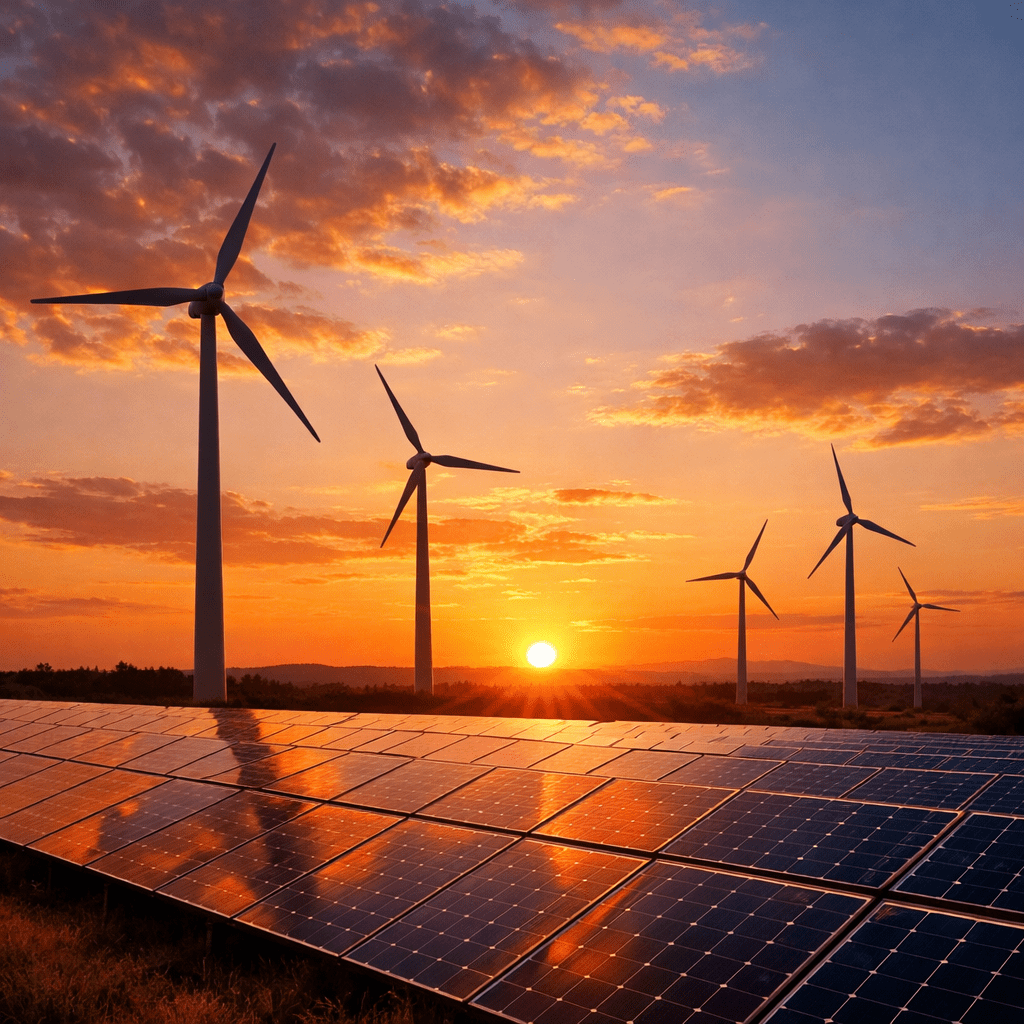
In 2025, renewable energy comprised nearly half of the global power capacity, driven by a record addition of 692 GW, predominantly from solar energy.
Why it matters: Pivot your business model toward energy management and storage integration to stay competitive as solar reaches grid saturation.
The Shift Toward Solar Saturation
Reaching a 49% global capacity share for renewables is a watershed moment, but for the average European solar installer, it signals a transition from an 'early adopter' market to a 'system integration' market. The era of easy, hardware-focused sales is closing; we are entering the age of the energy manager.
Why This Matters for European Installers
As solar penetration hits these record levels, the grid is becoming increasingly volatile. The days of simply slapping panels on a roof and connecting them to the grid are numbered. Installers who survive the next five years will be those who pivot from being 'hardware installers' to 'energy solution providers.' If you aren't bundling storage, heat pumps, and smart EV charging into your proposals, you are leaving significant margin on the table.
Market Implications
What You Should Watch
Keep a close eye on your local DSOs (Distribution System Operators). As capacity grows, local regulations regarding grid feedback and dynamic pricing are going to tighten. Start building your CRM database around 'smart-ready' leads—customers who have the infrastructure to support future V2G (Vehicle-to-Grid) or AI-driven energy trading. The market isn't just growing; it's getting smarter. Ensure your business model is keeping pace with the technology, not just the volume.