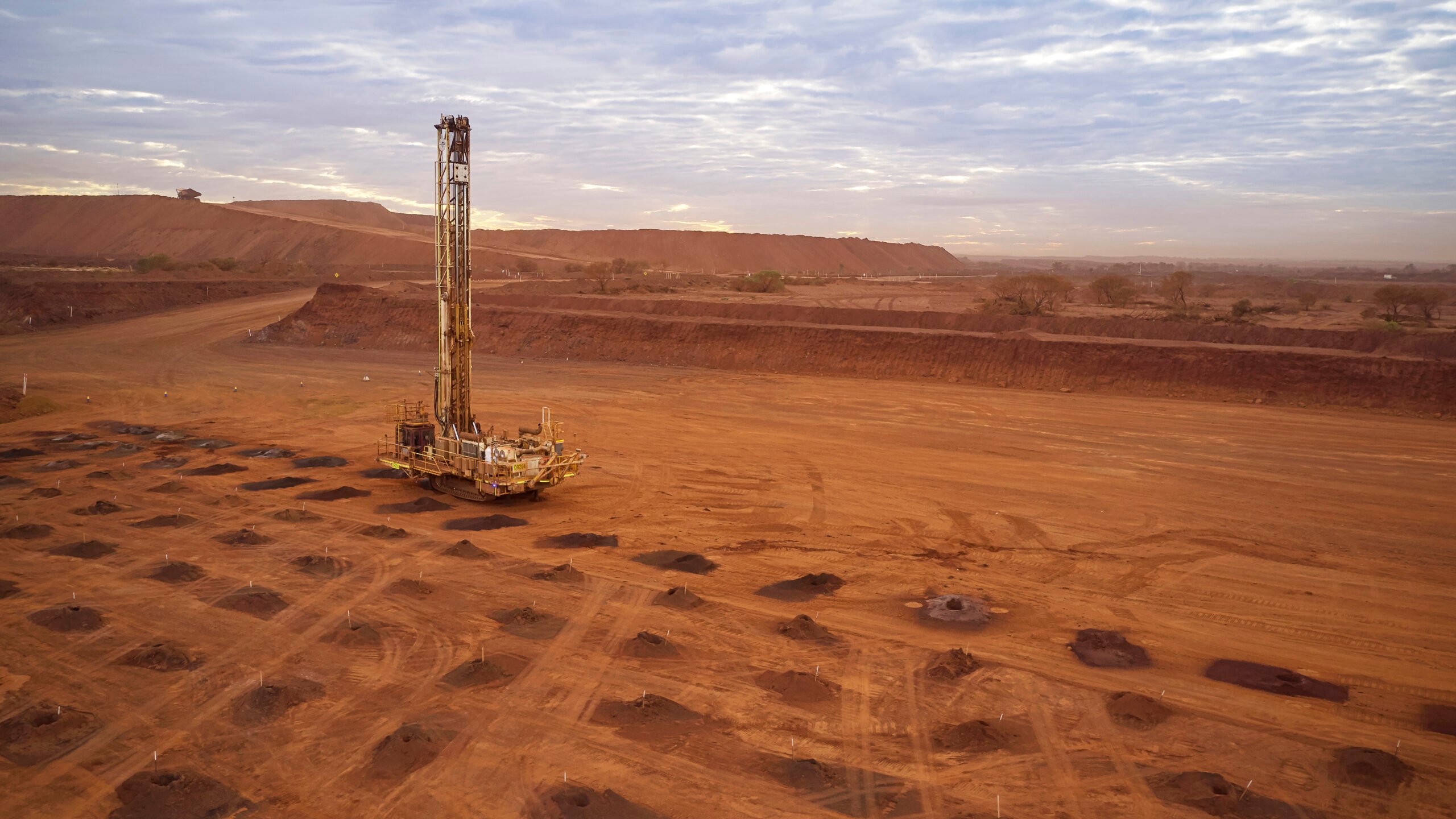
James Costello, CEO of EORA Energy, argues that long-duration vanadium redox flow battery storage is critical to Western Australia's decarbonisation efforts, particularly for remote mining operations.
Why it matters: Diversify your storage portfolio to offer long-duration solutions that solve reliability challenges for high-energy commercial clients.
The Shift Beyond Lithium-Ion
While the Australian context focuses on mining, the European market is rapidly approaching a similar inflection point. For solar installers, the message is clear: the era of 'solar-only' or 'solar + short-duration lithium' is evolving. As we push for higher grid penetration, the variability of solar output requires a shift toward storage solutions that offer discharge durations of 8 to 24 hours.
Why This Matters for European Installers
European grid operators are increasingly implementing dynamic pricing and stricter grid-connection requirements. Installers who can offer, or at least consult on, long-duration storage (LDES) will move from being simple panel installers to comprehensive energy architects. This is the key to unlocking the C&I (Commercial & Industrial) segment, where factories demand 24/7 reliability that standard lithium systems struggle to provide cost-effectively.
Strategic Implications
What to Watch
Keep a close eye on the price parity of flow batteries versus lithium-iron-phosphate (LFP). As supply chains for vanadium stabilize, the 'cost-per-cycle' will become the primary metric for C&I tenders. Installers should start building partnerships with storage vendors that offer more than just standard 5kWh residential modules to future-proof their service portfolios.