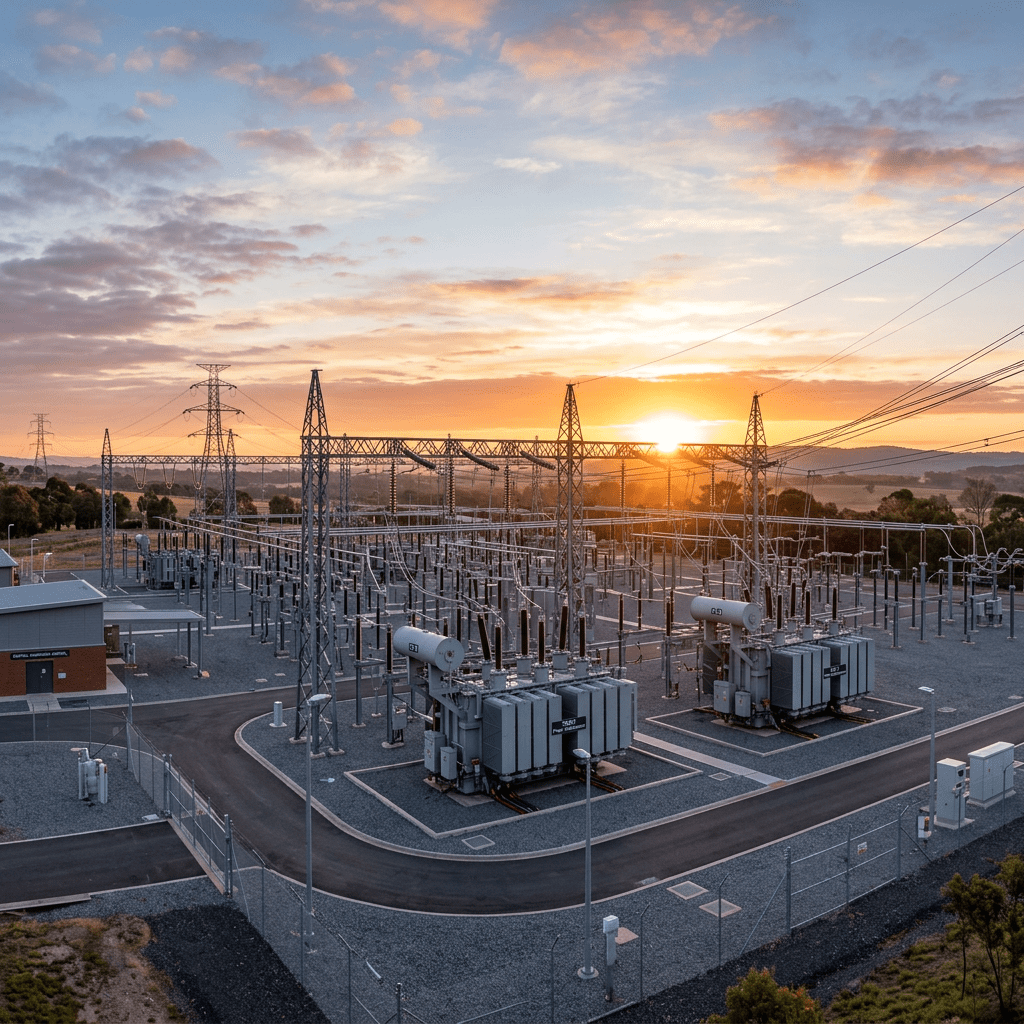
Google has obtained a power distribution licence for its forthcoming data centre hub in Visakhapatnam, allowing the company to manage its own electricity supply.
Why it matters: Prepare for a surge in private micro-grid demand as large commercial clients seek to bypass traditional utility constraints.
The Corporate Shift Toward Grid Independence
Google’s move to secure a power distribution license in India is more than a regional infrastructure story; it is a signal of a global trend. As hyperscalers face massive energy bottlenecks, they are increasingly bypassing traditional utilities to build, manage, and source their own power. For European solar installers, this represents a fundamental shift in the C&I (Commercial and Industrial) landscape.
Why This Matters for European Installers
What Solar Businesses Should Watch For
Don’t wait for tech giants to come to you. Start positioning your firm as an energy infrastructure partner rather than just a panel installer. The future of high-value solar projects lies in Energy-as-a-Service (EaaS), where you provide the hardware, the software, and the grid-management expertise to help large commercial clients achieve autonomy. If you aren't already integrating smart energy management systems (EMS) into your commercial proposals, you are leaving the most lucrative part of the market to the big players.