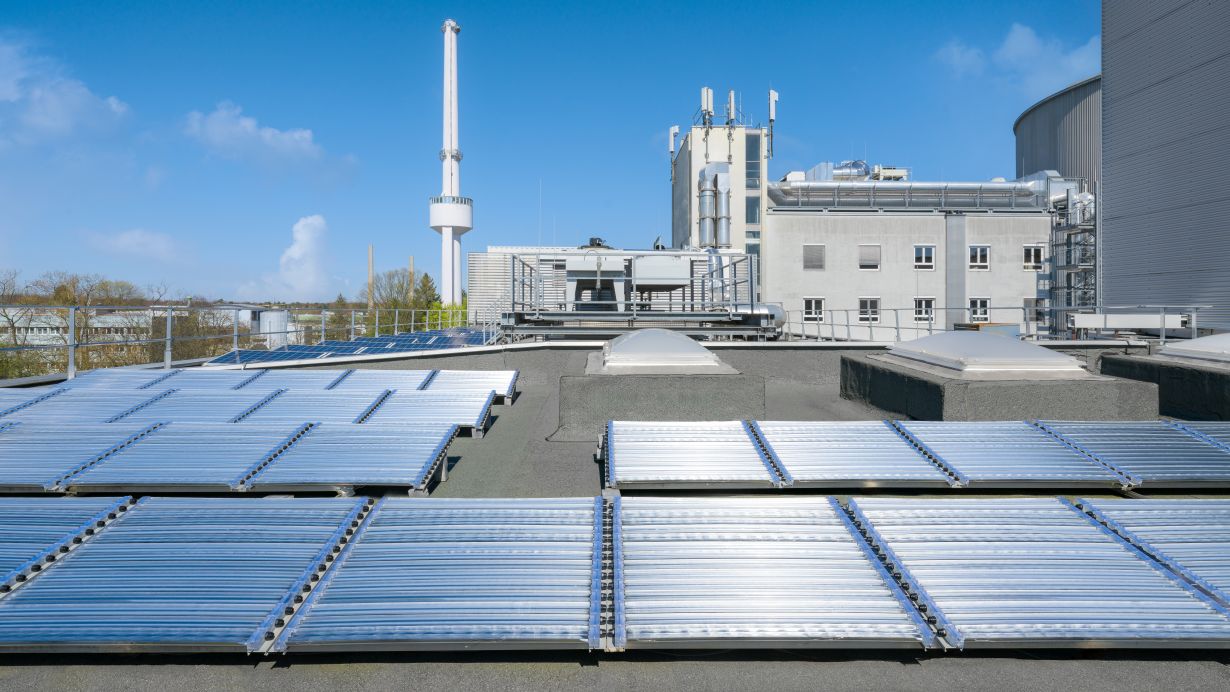
Photreon, a startup from the Karlsruhe Institute of Technology, is developing a groundbreaking technology for green hydrogen production that eliminates the need for electrolyzers and electricity. By using photocatalysis to convert sunlight and water directly into hydrogen, the panels simplify the process, reduce costs, and enable scalable, flexible hydrogen production.
Why it matters: Prepare for a shift in industrial solar projects as direct hydrogen production could soon replace traditional electrical electrolysis.
The Disruption of Traditional Green Hydrogen
For European solar installers, the promise of photocatalytic panels from KIT spin-off Photreon represents a potential paradigm shift in the energy transition. Currently, the green hydrogen value chain is bottlenecked by the efficiency and high capital expenditure (CAPEX) of electrolyzers, which require a stable electrical input—usually from a PV array or grid connection. By bypassing the electricity stage entirely, Photreon is essentially proposing a 'fuel-from-sunlight' model that could redefine site planning for industrial clients.
Why This Matters for Installers
Market Implications
We are seeing a move toward 'distributed chemical energy.' While battery storage is king for short-duration daily shifting, hydrogen is the only viable path for long-duration storage and high-heat industrial processes. However, until this tech hits commercial scale, it remains a 'watch-list' item. Businesses should look for pilot project data regarding the degradation rates of these photocatalysts. If they follow the path of thin-film solar, they may face early efficiency challenges. Keep an eye on how these panels integrate with existing site water management systems; that will be the next major hurdle for your installation teams.