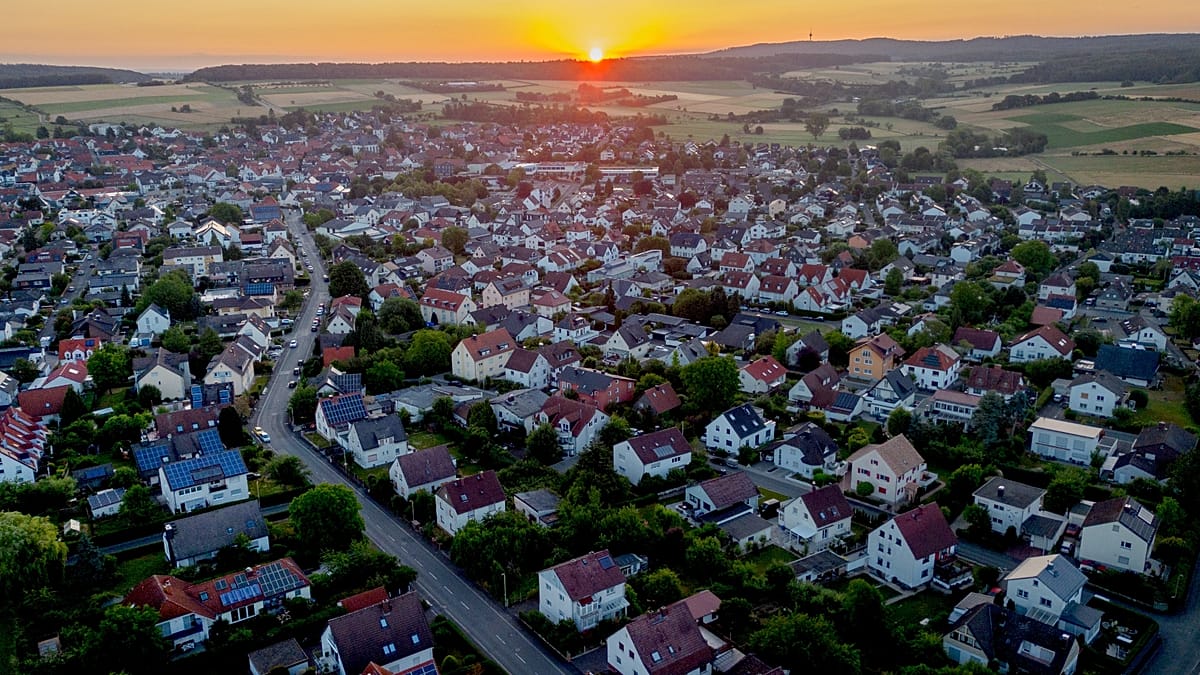
The German village of Feldheim is using wind, solar and biogas energy to shield itself from rising energy prices linked to the Middle East conflict, with local officials saying residents are not affected by electricity cost increases.
Why it matters: Pivot your sales strategy to emphasize energy sovereignty as a hedge against future utility price volatility.
The Decentralized Energy Revolution
Feldheim is no longer just a curiosity; it is a blueprint for the future of the European energy landscape. For solar installers, this village represents a shift from selling simple hardware to selling energy independence. As grid costs fluctuate and geopolitical tensions keep wholesale prices volatile, the value proposition for local microgrids and energy cooperatives has never been higher.
Why This Matters for Installers
Market Implications
We are witnessing a decoupling of local energy costs from the national grid. For the savvy installer, this means the future lies in Energy Management Systems (EMS). If you aren't integrating smart monitoring and battery storage into your sales pitch, you are leaving money on the table. The market is moving toward 'prosumer' hubs where energy is traded locally. The hardware is just the entry point; the software and the ecosystem are where the long-term margin lives. Watch for regulatory shifts in Germany and beyond that favor local energy trading—these will be the catalysts for your next growth phase.