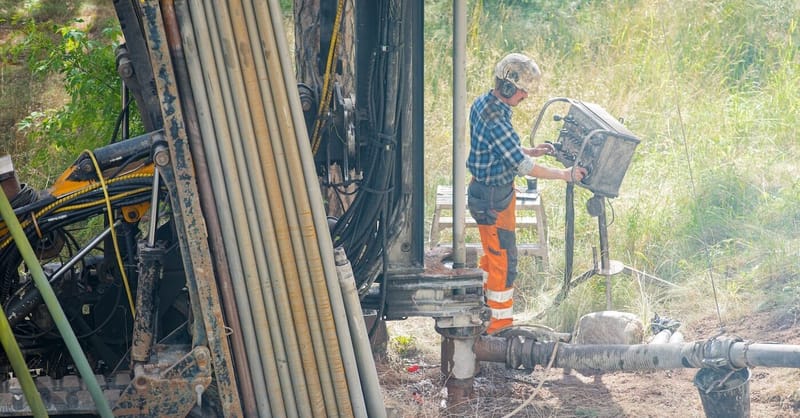
Vermont’s first neighborhood-scale geothermal project is expected to break ground this summer as part of an affordable housing development, providing what developers hope is a blueprint for cost-effective, all-electric new construction in the Green Mountain State and beyond.
Why it matters: Position your business as an energy systems integrator by bundling solar PV with neighborhood-scale thermal solutions to capture new-build contracts.
Why Geothermal Matters for the Solar Sector
While solar PV remains the poster child of the energy transition, the real challenge for European installers is the decarbonization of heat. As grid capacity constraints tighten across the EU, neighborhood-scale geothermal microgrids offer a compelling alternative to air-source heat pumps, which can spike peak electricity demand during winter months.
Market Context and Implications
The transition toward 'all-electric' neighborhoods is no longer theoretical. For solar businesses, this shift represents a massive pivot in the competitive landscape. If developers move toward shared geothermal loops, the load profile of a residential home changes drastically. We are looking at:
What Solar Businesses Should Watch For
Don't view geothermal as a competitor; view it as an infrastructure partner. Solar installers should look to partner with regional HVAC and geo-drilling firms to bundle services. As housing associations and municipalities look for ways to meet climate targets, the 'Solar + Geo' package will be the gold standard for new construction. Start building relationships with local developers now—they are looking for turnkey electrical/thermal solutions, not just PV panel installers. The winners in the next decade will be the ones who can manage the entire energy ecosystem of a building, not just the rooftop generation.