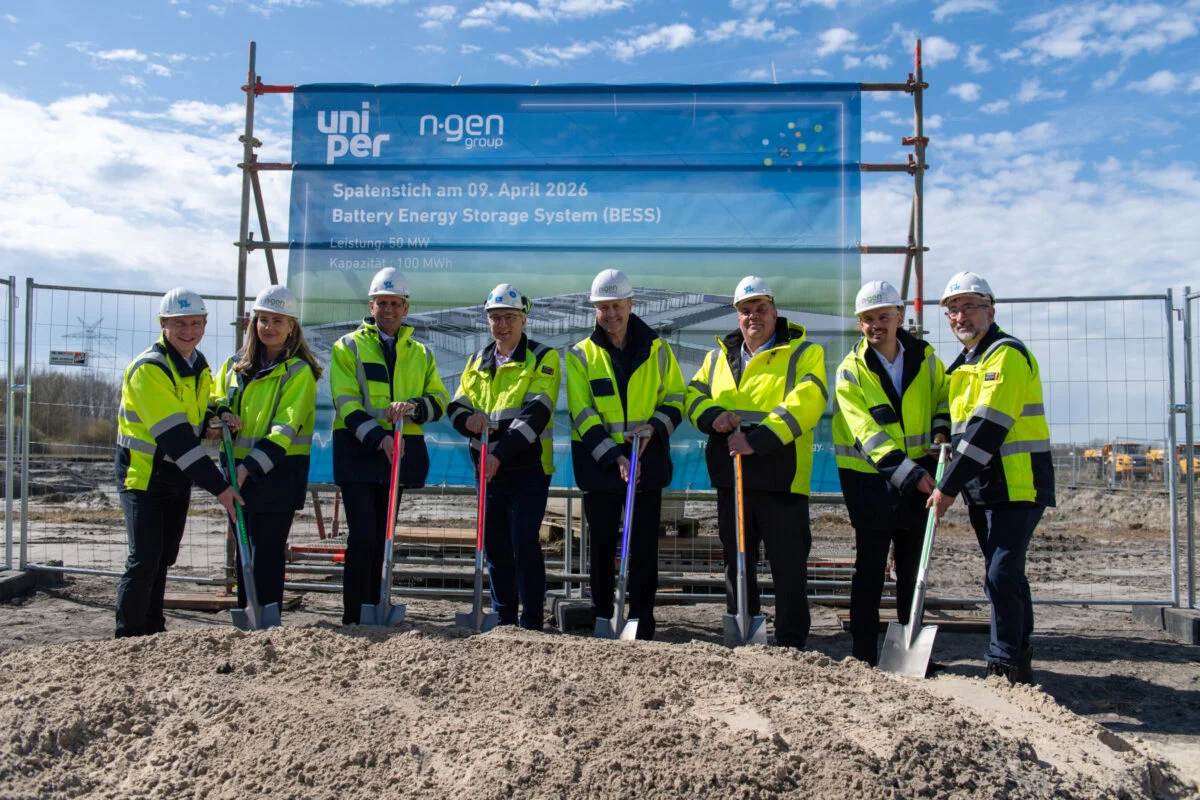
NGEN and Harmony Energy have made strides in deploying large-scale BESS projects in Germany, launching construction and securing pipeline financing respectively.
Why it matters: Capitalize on the utility-scale battery boom by pivoting your residential offering toward smart VPP-ready storage solutions.
The Shift Toward Grid-Scale Storage
The acceleration of utility-scale Battery Energy Storage Systems (BESS) in Germany—exemplified by NGEN’s 100MWh project and Harmony Energy’s massive 3GWh pipeline—signals a structural shift in the European energy landscape. For solar installers, this is not just 'big energy' news; it is a precursor to a more stable, albeit more complex, grid environment.
Why This Matters for Installers
As grid-scale storage stabilizes frequency and manages curtailment, the volatility that currently plagues residential feed-in tariffs will slowly evolve. While these massive projects don’t directly compete with your residential or C&I installations, they set the benchmark for how energy arbitrage will function. Installers who understand how these systems interact with the grid will be better positioned to consult clients on the future of 'smart' residential storage.
Market Context & Business Strategy
What to Watch
Keep a close eye on grid connection queues. If utility-scale projects monopolize connection capacity, residential solar-plus-storage projects may face longer lead times for grid approval. Position your business as a partner in grid flexibility rather than just an equipment installer. The winners in the next phase of the German market will be those who can integrate residential assets into Virtual Power Plants (VPPs) to mimic the functionality of these larger BESS projects.