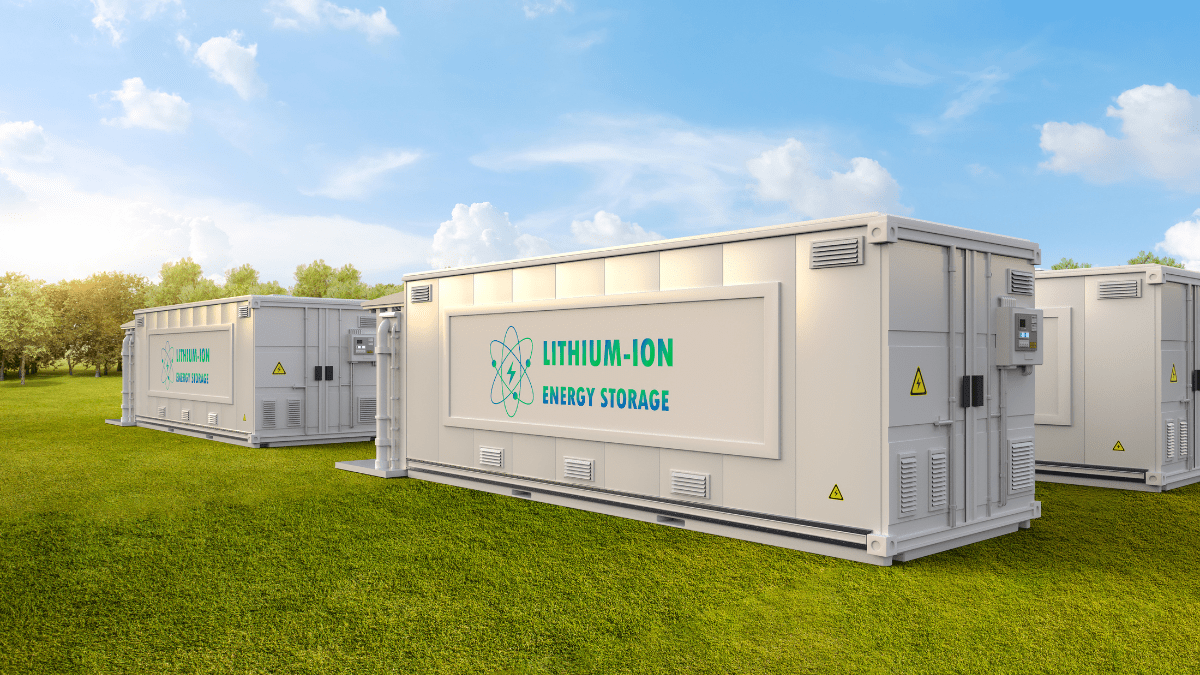
Inaugurated with a $12 million investment, the facility boasts a 5GWh capacity and advanced automation. It promotes local manufacturing, partnerships, and aims for over 50% supply chain localization by 2026, aligning with Vietnam’s renewable energy goals.
Why it matters: Leverage the global surge in battery manufacturing to lower your procurement costs and shift your business model toward premium energy management services.
Why This Matters for European Installers
While a battery factory in Vietnam might seem distant, it is a leading indicator of the global supply chain shifts affecting every European solar business. As Southeast Asia ramps up manufacturing capacity, we are seeing a structural shift in battery pricing. For the European installer, this means the 'battery glut' we’ve experienced recently is likely to stabilize into a long-term, competitive buyer’s market. The era of supply-constrained battery pricing is ending, and the era of feature-driven, high-efficiency storage competition is beginning.
Market Context and Implications
Vietnam’s focus on 50% supply chain localization is a blueprint we are seeing mirrored across emerging markets. This de-risking strategy is critical because it reduces reliance on a single point of failure. For European installers, this is an invitation to diversify your supplier base. Relying on legacy Tier-1 brands is no longer the only way to ensure quality; newer, highly automated facilities in emerging markets are producing cells that match, and often exceed, traditional standards at a lower price point.
What Solar Businesses Should Watch For
The bottom line? Don't wait for price drops to hit your bottom line. Use the current abundance of battery hardware to lock in better procurement deals and pivot your sales pitch toward advanced energy management software.