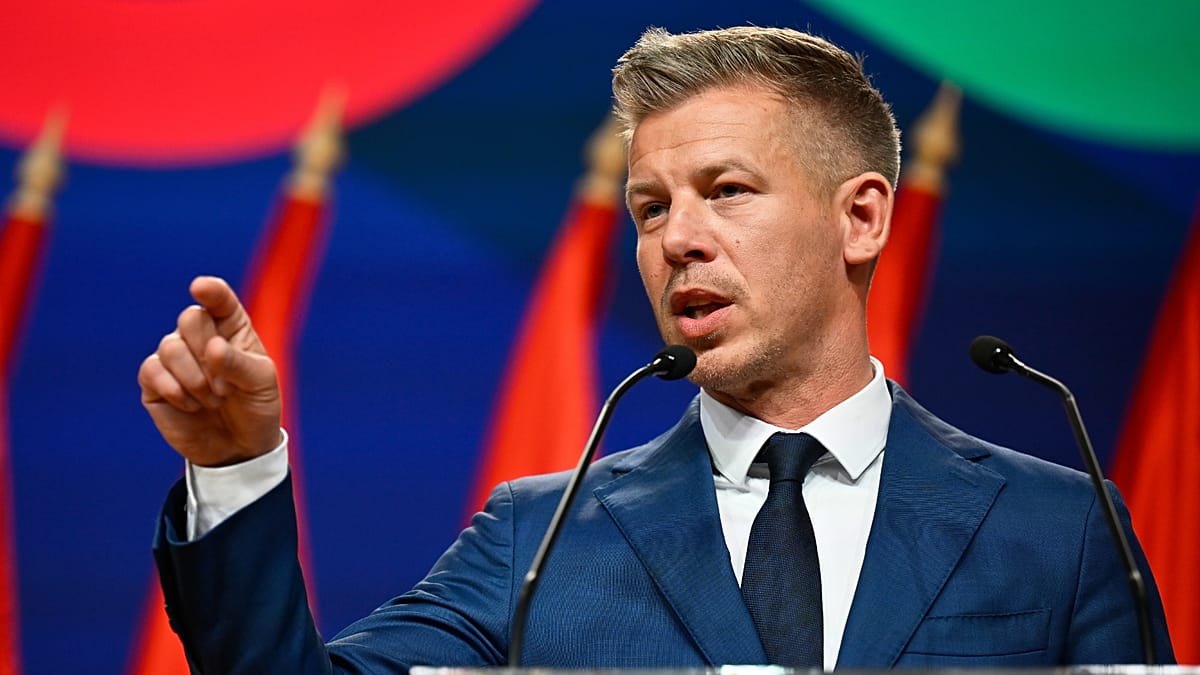
Orbán, who once described EU climate ambitions as a 'utopian fantasy', has been replaced by Péter Magyar.
Why it matters: Capitalize on the anticipated regulatory thaw in Hungary by aligning your service offerings with expected grid-modernization and storage-focused incentives.
A Strategic Pivot for Hungarian Renewables
The political transition from Viktor Orbán to Péter Magyar marks a potential sea change for the Hungarian solar sector. For years, the Hungarian market has been hampered by retroactive policy changes, grid connection moratoriums, and a hostile regulatory environment for residential and commercial solar installations. If the new administration aligns with broader EU climate objectives, we could see a rapid unlocking of stalled PV projects.
What This Means for European Installers
1. Policy Stability is the New Currency: Solar businesses in Hungary have suffered from 'policy whiplash.' A shift toward pro-renewable governance suggests a more predictable subsidy environment, which is essential for scaling residential solar and storage deployments. Installers should prepare for a surge in demand if the new government incentivizes prosumer participation.
2. Grid Infrastructure as the Bottleneck: While the sentiment shifts, the physical reality of the Hungarian grid remains the primary constraint. Expect the new government to prioritize grid modernization, likely opening up tender opportunities for EPCs and engineering firms capable of utility-scale integration.
Strategic Outlook for Solar Businesses