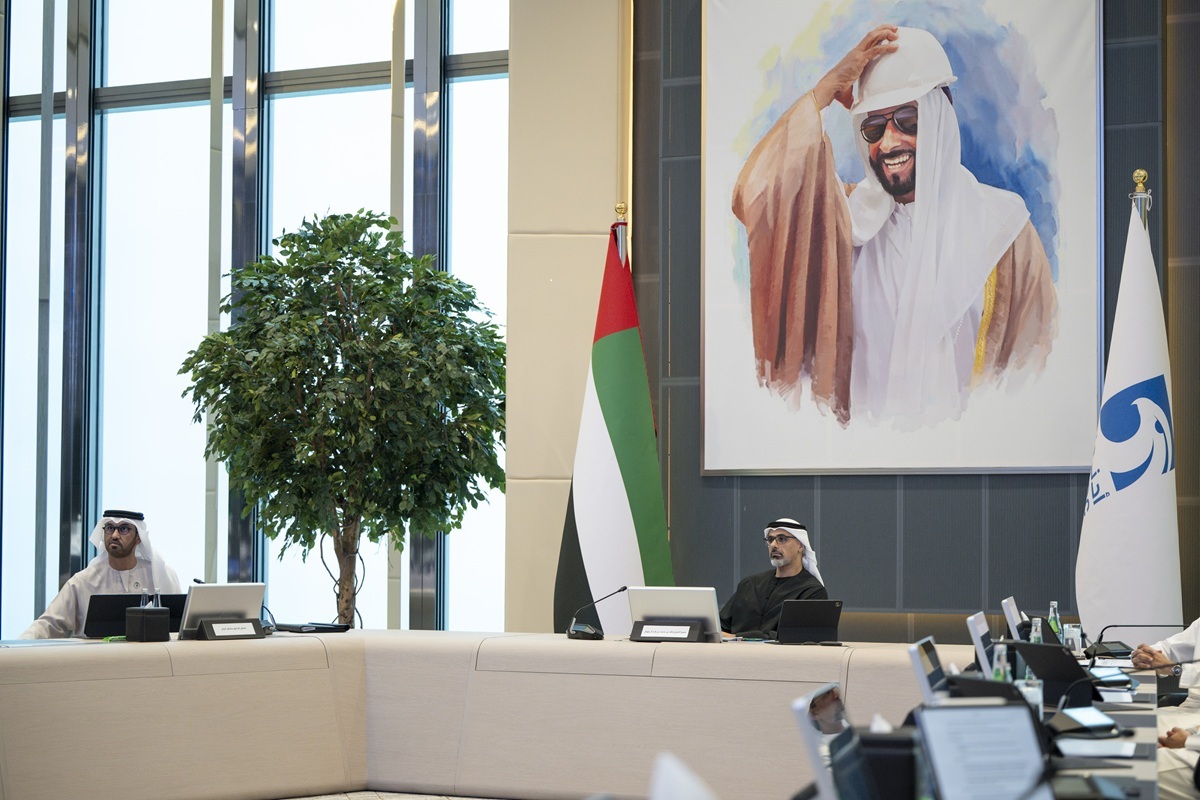
The committee emphasized workforce safety and supply chain reliability amid recent regional conflicts. The meeting reaffirmed ADNOC's resilience and commitment to uninterrupted energy supply despite challenges.
Why it matters: Secure your supply chain now to hedge against the inevitable price shocks caused by global energy market instability.
Geopolitical Volatility and the Energy Transition
While this update from ADNOC focuses on regional operational continuity, European solar installers must look past the headline to the underlying market signal: energy volatility is the new baseline. When major energy exporters like the UAE prioritize emergency response and supply chain hardening, it indicates a heightened global sensitivity to energy logistics.
Why This Matters for European Installers
European solar businesses are currently operating in a market where hardware pricing has stabilized, but logistical risks remain. Any disruption in the Middle East—or the broader global supply chain—tends to ripple into shipping costs, insurance premiums, and component availability. For an installer, this means:
Market Implications
We are seeing a decoupling of energy security from traditional oil-based infrastructure. As state-backed entities in the Middle East double down on operational resilience, the global push for localized, decentralized energy—like the residential PV systems you install—becomes even more critical. When global energy giants focus on security, local installers should focus on reliability.
What Businesses Should Watch For
Monitor freight insurance indexes and shipping lead times from Asian manufacturing hubs. If you see 'emergency response' rhetoric increasing among major energy players, it is often a lagging indicator of potential logistical bottlenecks. Lock in your supply contracts now while the market feels calm, because the current geopolitical climate is far from stable.