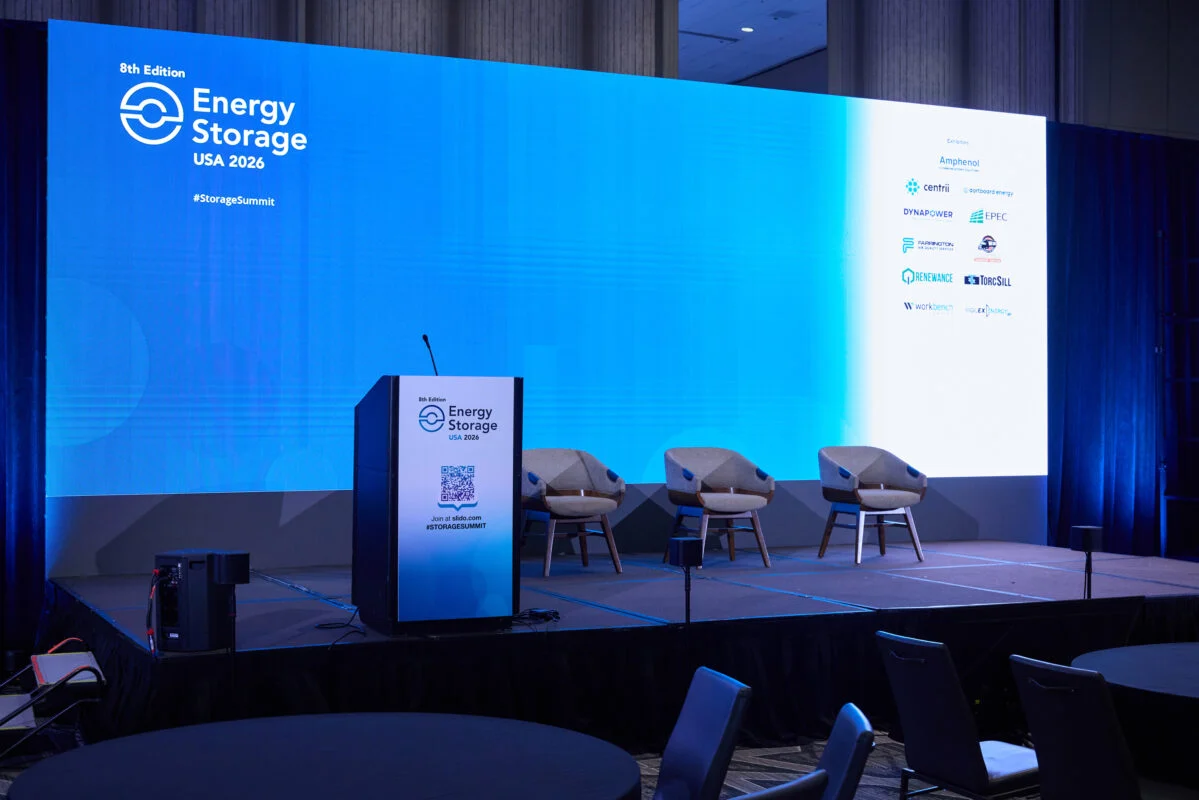
A panel at the 2026 US Energy Storage Summit in Dallas, Texas, focused on the evolving landscape of battery energy storage system (BESS) procurement.
Why it matters: Secure your installation pipeline by diversifying your battery suppliers to avoid costly project delays caused by global supply chain volatility.
Strategic Procurement in a Volatile Market
While this discussion took place in the US, the supply chain tremors are echoing loudly across Europe. For the average solar installer, the era of 'just-in-time' delivery for battery storage is effectively over. We are seeing a shift where procurement is no longer just a logistics task—it is a core business strategy that dictates your ability to scale.
Why This Matters for European Installers
European installers are increasingly tethered to global battery cell allocations. If US-based projects are soaking up inventory due to domestic subsidies, European SMEs risk being deprioritized by Tier-1 manufacturers. You must move away from exclusive reliance on single-brand portfolios to mitigate the risk of sudden stockouts.
The Bottom Line: The market is consolidating. Installers who rely on 'drop-shipping' from wholesalers are going to find themselves helpless when supply tightens. You need to take control of your inventory lifecycle to ensure your installation pipeline remains uninterrupted. Watch for shifts in raw material pricing in Asia; if those spike, your lead times for Q3 and Q4 installations will inevitably blow out.