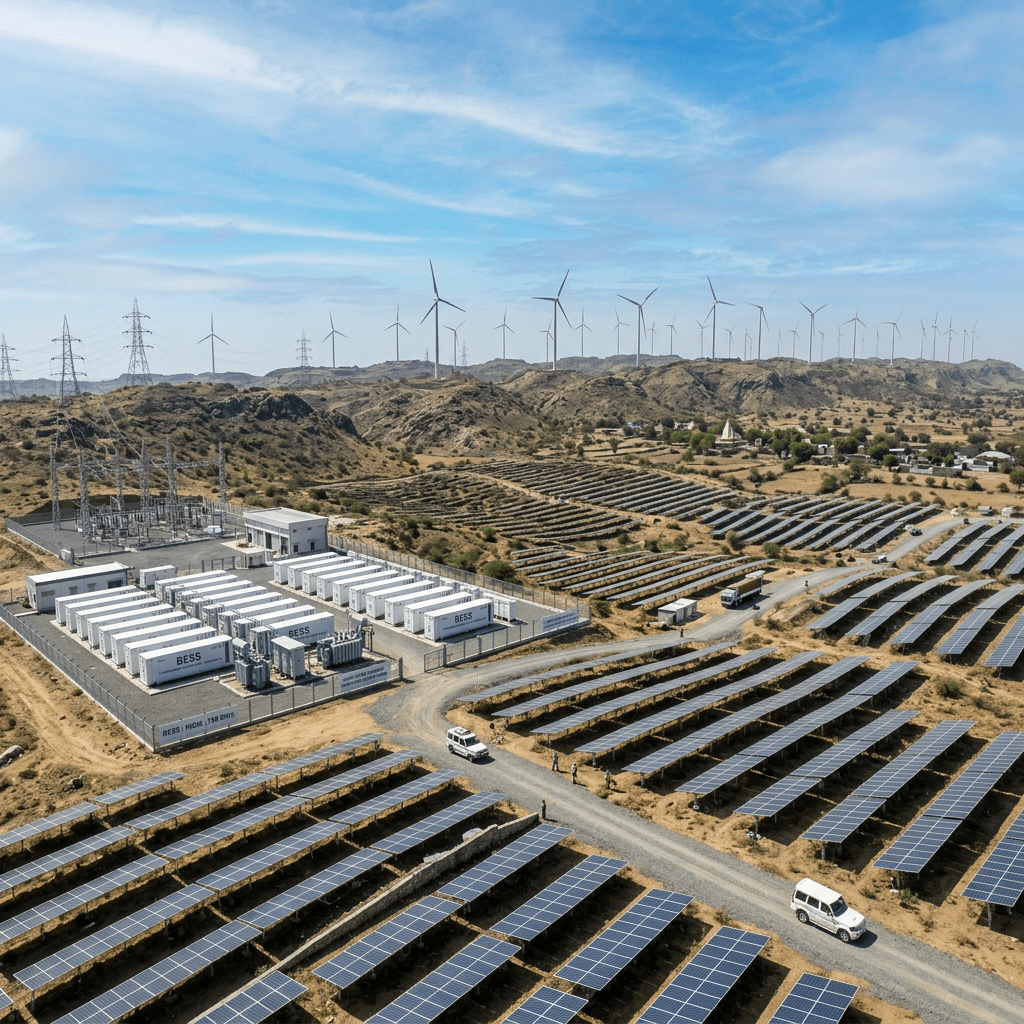
The Central Electricity Authority (CEA) has announced new regulations effective April 2027, aimed at enhancing safety and efficiency in India's renewable energy sector. The rules emphasize technical standards for Battery Energy Storage Systems (BESS) and solar and wind projects, focusing on grid stability, long-term reliability, and environmental protection measures.
Why it matters: Prepare your business for stricter grid-integration and safety mandates by prioritizing high-performance, future-ready hardware and software.
Grid Stability as the New Frontier
While this regulatory shift originates in India, European solar installers should treat it as a preview of the inevitable. As penetration rates for solar and BESS climb across the EU, national grid operators are moving away from 'plug-and-play' simplicity toward stringent, utility-grade technical requirements for all distributed energy resources.
Why this matters for EU installers:
The days of installing residential or commercial BESS without deep integration into grid-balancing protocols are numbered. Regulators are increasingly viewing decentralized storage not just as a consumer asset, but as a critical node for grid stability. Expect European standard-setting bodies to follow the CEA’s lead by mandate, enforcing stricter performance data reporting, safety certifications, and reactive power control.
Market Implications:
This creates a 'quality gap' in the market. Installers who currently lean on low-cost, uncertified hardware or lack the engineering expertise to manage grid-interaction software will find themselves excluded from future tenders and grid-connection approvals. The market is shifting from a hardware-sales model to a systems-integration model where software-defined grid compliance becomes a core competency.
What businesses should watch for: