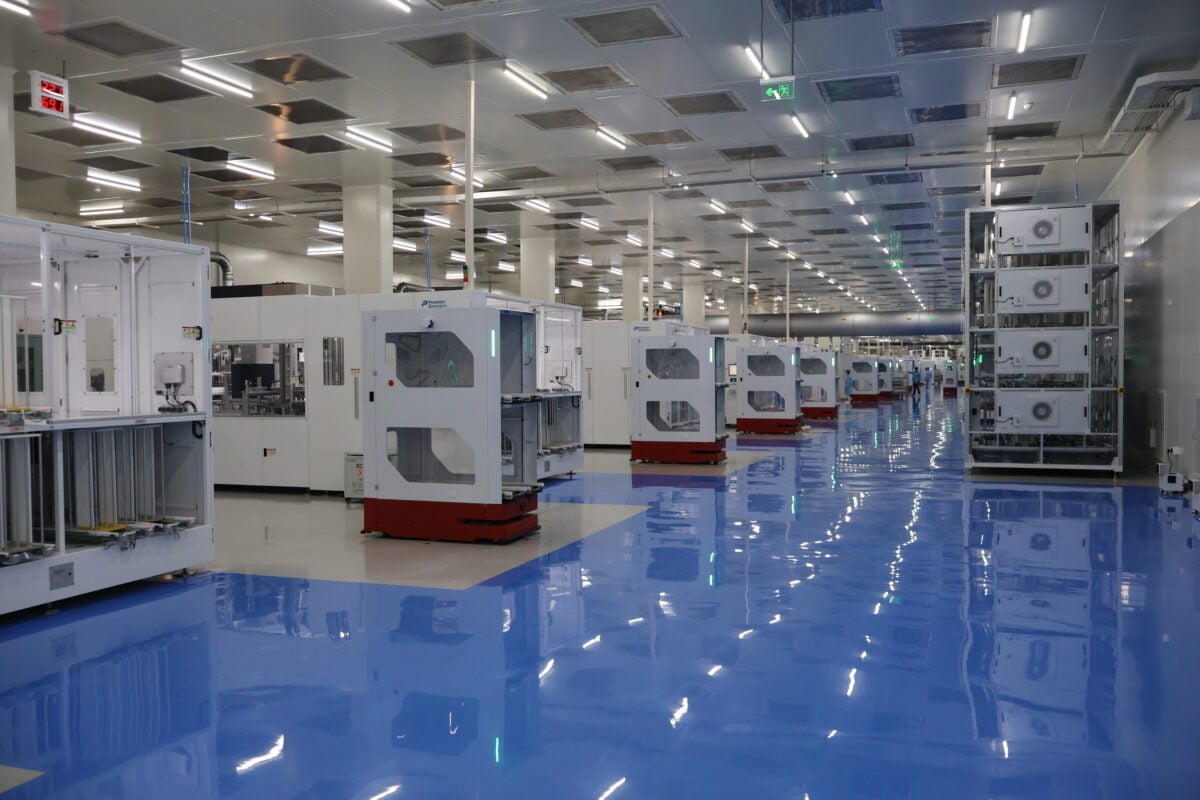
Premier Energies is set to supply 1.6GW of solar cells and modules in the fourth quarter of 2026, under contracts valued at INR25.77 billion (US$276 million).
Why it matters: Diversify your procurement pipeline now to mitigate the geopolitical risks and supply chain volatility inherent in relying solely on Chinese module manufacturers.
The Shift Toward Non-Chinese Manufacturing
The securing of 1.6GW in orders by an Indian manufacturer for late 2026 delivery highlights a critical, often overlooked trend: the professionalization and scaling of the 'China+1' strategy. For European solar installers, this is not just another headline about supply volume; it is a signal that high-capacity, utility-scale manufacturing is diversifying beyond the dominant Chinese players.
Why This Matters for European Installers
European installers are currently navigating a volatile market defined by inventory gluts and fluctuating module prices. While this specific deal targets 2026, it indicates that global manufacturers are locking in long-term capacity. For your business, this means you need to look beyond the spot market. Relying solely on short-term price drops from Chinese Tier-1 suppliers is a strategy prone to geopolitical risk and potential trade barrier disruptions.
Market Implications and Strategic Advice
Watch for how these manufacturers integrate into European distribution networks. If they can solve the logistics of mid-sized pallet shipments—rather than just container-load utility projects—they will become the preferred partners for quality-focused installers by 2027.