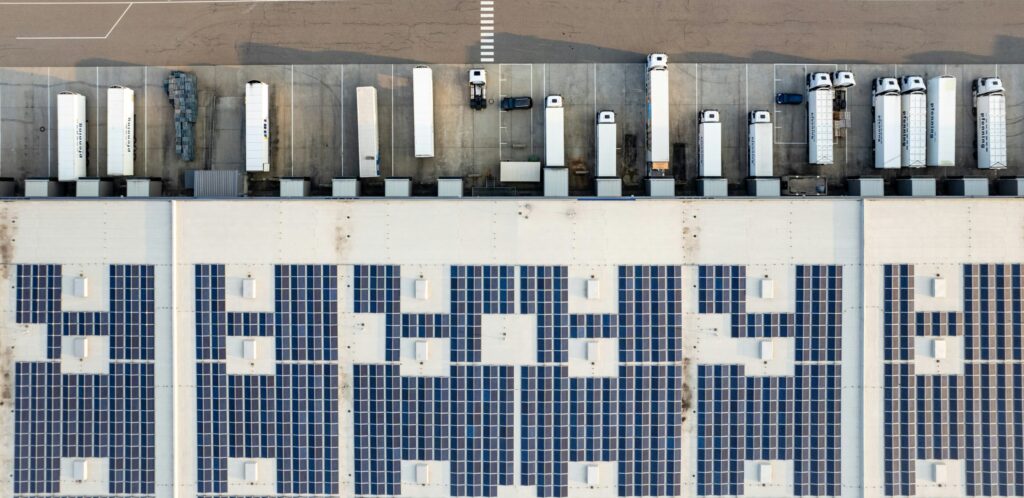
El Consorcio para la Gestión de Residuos Urbanos de Osona ha adjudicado a Ferrovial Energía la construcción de una planta fotovoltaica de 1,7 MW para el autoconsumo del depósito controlado de residuos urbanos de Orís, por 1,42 millones de euros.
Why it matters: Target municipal waste and industrial infrastructure projects to capture the growing demand for large-scale, self-consumption solar installations.
The Shift Toward Industrial Self-Consumption
The award of this 1.7 MW project in Osona to Ferrovial highlights a critical trend: the aggressive transition of energy-intensive public infrastructure toward captive solar generation. For European solar installers, this project serves as a bellwether for the industrial and public sector mid-market segment.
Why This Matters for Installers
While this specific tender was secured by a major player like Ferrovial, the underlying demand is shifting toward localized, high-capacity autoconsumption. Installers should note the price point: at approximately €0.83/Wp, it reflects current market stabilization in EPC costs. If your firm is strictly focused on the residential sector, this is a signal to begin diversifying into commercial and industrial (C&I) projects that require sophisticated grid-connection management and long-term O&M capabilities.
Strategic Market Context
The waste management sector is uniquely positioned for solar integration. These facilities often possess the land availability (landfills, buffer zones) that residential rooftops lack, making them ideal for ground-mounted installations. As ESG reporting becomes mandatory for more European entities, we expect an influx of similar tenders from municipal waste and water management consortia.
What Businesses Should Watch For