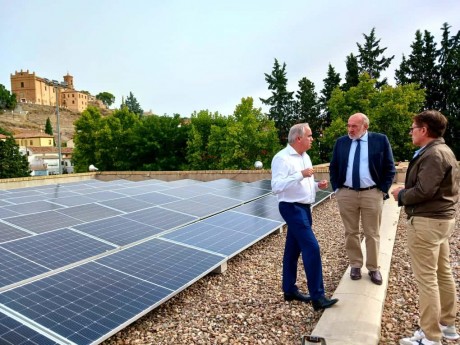
El Ayuntamiento de Calatayud ha identificado hasta 2.000 m² de cubiertas municipales aptas para instalar unos 550 módulos fotovoltaicos en una primera fase. La iniciativa, que beneficiaría a vecinos sin acceso a autoconsumo, se sumaría a los 450 kW ya operativos.
Why it matters: Secure long-term municipal contracts by becoming the technical partner for collective solar projects in historic urban centers.
Unlocking the Urban Solar Market
For European solar installers, the shift toward municipal energy communities represents a critical pivot away from the saturated residential rooftop market. In historic urban centers like Calatayud’s 'Casco Antiguo,' traditional individual solar installations are often blocked by heritage regulations or lack of roof ownership. By leveraging public infrastructure, municipalities are effectively acting as the anchor for collective self-consumption projects.
Market Dynamics and Implications
The move to aggregate 2,000 m² of roof space is a strategic template. Installers who position themselves as technical partners for municipal tenders will find a recurring revenue stream that is less volatile than the B2C sector. This model solves two major friction points:
What Installers Must Watch For
The real opportunity here isn't just the EPC (Engineering, Procurement, and Construction) contract; it’s the long-term O&M (Operations and Maintenance) and the energy management layer. As Spain and the wider EU refine their legislation on collective self-consumption, the winners will be those who can provide the digital infrastructure to manage energy sharing among residents. Do not treat these as 'one-off' projects. Pitch your firm as the full-service energy manager that handles the billing, balancing, and regulatory reporting required for these communities to function smoothly. If you aren't already mapping municipal roof assets in your operating region, your competitors are likely already doing so.