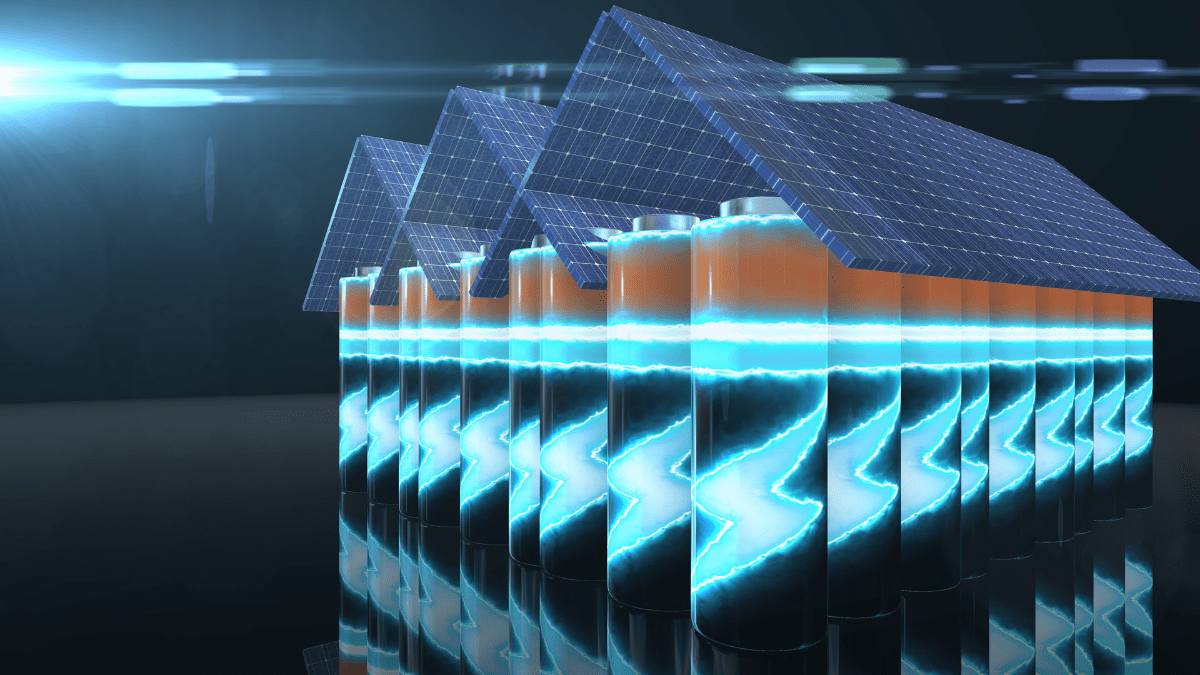
ACME Solar Holdings Limited has successfully commissioned the fourth phase of its Battery Energy Storage System project in Rajasthan, adding 32.366 MW / 145.435 MWh capacity. This expansion elevates the total capacity to 139.509 MW / 626.875 MWh, enhancing grid stability and supporting clean energy solutions in the region.
Why it matters: Prepare your business for a future where storage integration is the primary driver of project profitability and grid-parity success.
Why This Matters for European Installers
While this project is based in India, the massive scale of ACME Solar’s BESS deployment serves as a leading indicator for the European energy transition. We are moving from a 'solar-first' to a 'storage-integrated' model. For European installers, the takeaway is clear: the market is rapidly shifting toward projects that require multi-hour energy shifting, not just peak shaving. If you are not already pivoting your sales strategy to include integrated storage solutions, you are missing the most profitable segment of the current market.
Market Context and Implications
Europe is facing unprecedented grid congestion and negative pricing events. The sheer scale of the Rajasthan project—operating at a 4.5-hour discharge duration (145 MWh / 32 MW)—highlights the industry's focus on long-duration energy storage. In Europe, we are seeing a similar appetite for 'firm' renewable energy. Clients are no longer asking if they can generate power; they are asking how they can guarantee it during high-cost windows.
What Solar Businesses Should Watch For