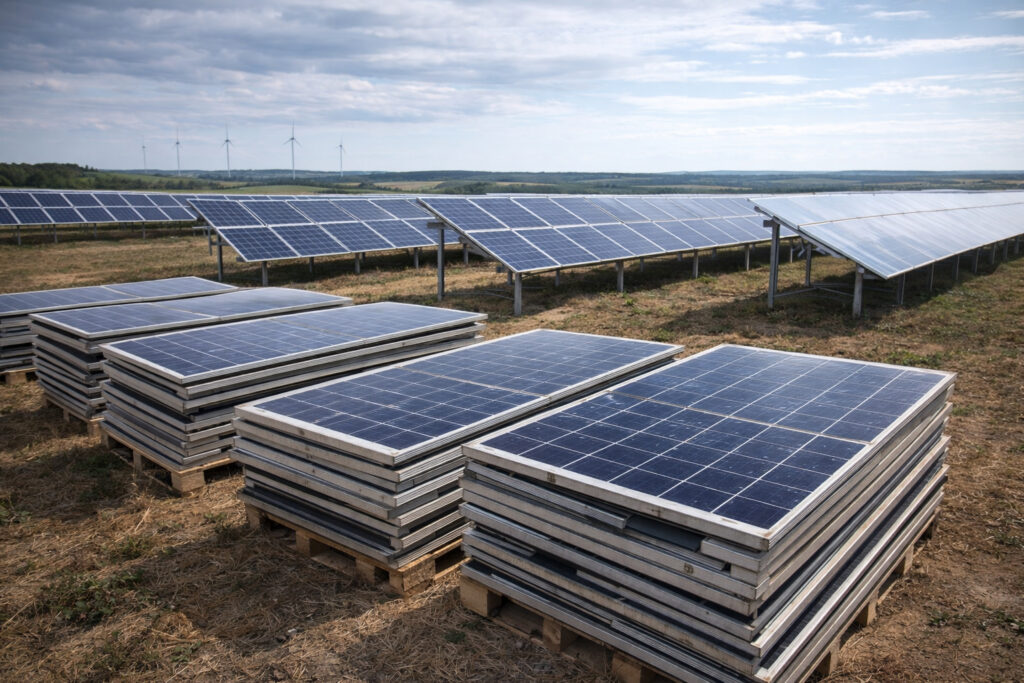
Científicos de Chile han conseguido una producción diaria de hidrógeno de aproximadamente 345 litros. El sistema alcanza un coste nivelado del hidrógeno de unos 5,8 dólares por kilogramo (aproximadamente 5,3 €/kg).
Why it matters: Prepare your business for a future where hydrogen storage becomes a standard, high-margin add-on to residential solar installations.
The Decentralized Energy Revolution
This breakthrough from Chile represents a potential paradigm shift for European solar installers. By bypassing traditional power electronics and utilizing recycled panels, this system significantly lowers the barrier to entry for green hydrogen production at the residential or small-commercial scale.
Why it matters for installers:Currently, the biggest bottleneck for solar adoption is seasonal storage. While lithium-ion batteries are excellent for daily cycling, they struggle with long-term, multi-day energy autonomy. If this technology scales, installers could pivot from selling 'solar-plus-storage' to offering 'solar-plus-hydrogen' systems, providing true off-grid capability for rural clients or industrial sites with high thermal requirements.
Market Context and Implications:The 5.3 €/kg cost is the real headline. It puts green hydrogen within striking distance of fossil-fuel-derived hydrogen prices. For the European market, which is heavily incentivized by the REPowerEU plan, this technology could be the missing link for decentralized industrial decarbonization. However, the lack of power electronics suggests a direct-coupling approach, which requires precise load matching and poses challenges for grid-tied stability.
While this isn't ready to replace your current battery supplier tomorrow, it is time to start viewing hydrogen as a viable, long-term storage asset for your high-end residential and commercial clients.