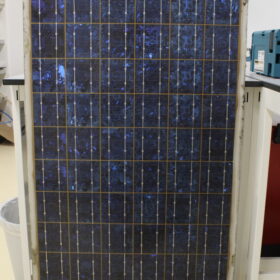
Investigadores en Austria descubrieron un nido de avispas dentro de la caja de conexiones de un módulo fotovoltaico de 1998 instalado en un tejado. El módulo afectado mostraba una degradación significativa y un fallo parcial, aunque los resultados generales confirmaron la sorprendente durabilidad de los diseños de módulos fotovoltaicos antiguos.
Why it matters: Protect your service reputation by incorporating rigorous junction box inspections into your standard O&M maintenance checklists.
The Hidden Risks of Aging Infrastructure
While the durability of 1998-era modules is impressive, this discovery highlights a critical, often overlooked vulnerability in European solar fleets: biotic interference. For installers, this serves as a stark reminder that as our continent’s early-adopter systems hit the 25-30 year mark, the physical integrity of junction boxes and cabling becomes a primary failure point.
Why This Matters for European Installers
As you scale your O&M (Operations & Maintenance) divisions, your service contracts must evolve beyond simple inverter checks. Nesting insects, rodents, and moisture ingress in legacy junction boxes aren't just maintenance nuisances; they represent significant fire risks and localized heat spots that lead to irreversible cell degradation. If you are managing legacy portfolios, your thermal imaging protocols must include specific checks for these physical breaches.
Market Context and Strategic Implications
What Businesses Should Watch For
Keep a close eye on modules installed between 1995 and 2005. These early designs often lacked the IP67/68 ingress protection ratings found in modern Tier-1 panels. Moving forward, prioritize seal integrity during every site visit. A simple silicone reseal or a cable gland replacement today can prevent a catastrophic system failure and costly module replacement tomorrow. Treat every site visit as a structural inspection, not just a data verification.