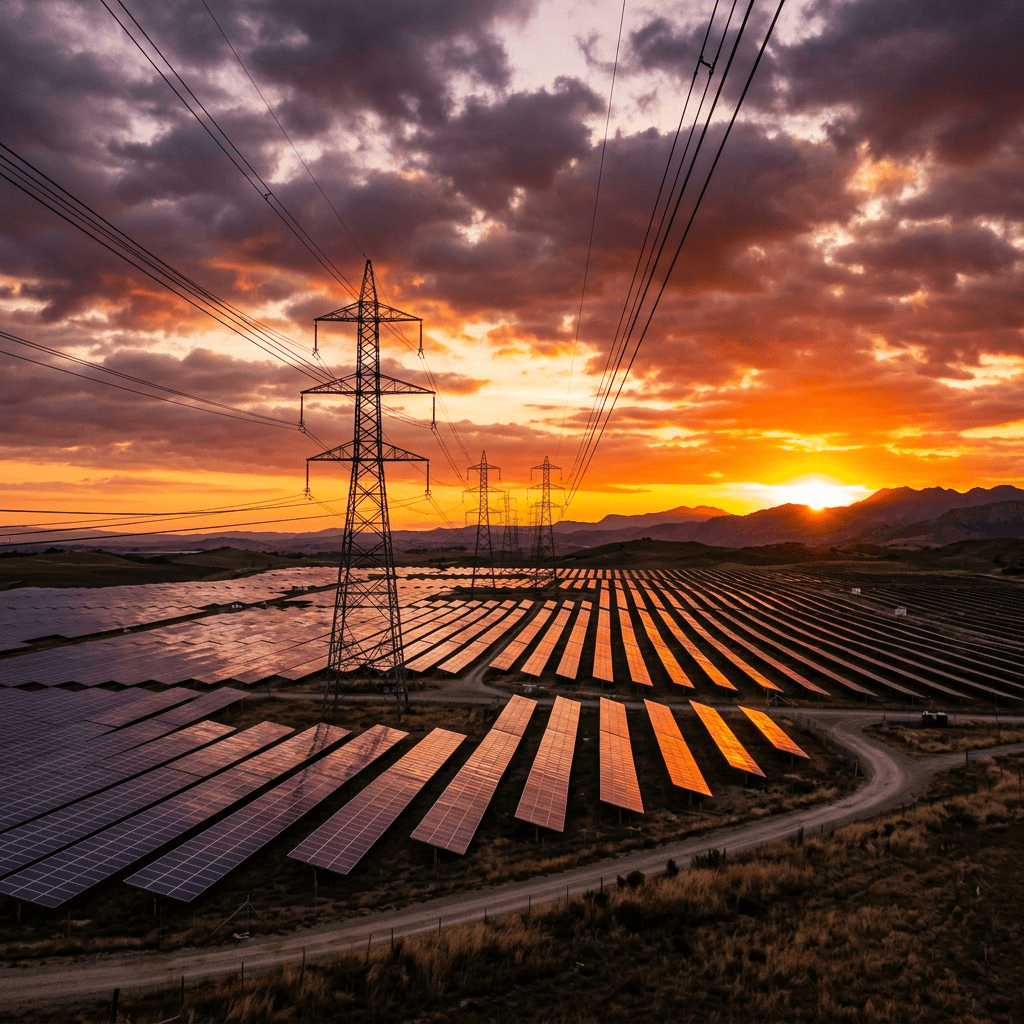
Mulilo has achieved financial close on the 337 MW Middlepunt Solar PV project in South Africa, its second solar project closure this year. This facility will supply 240 MWAC, generate about 770 GWh of clean electricity annually and mitigate 813,000 tonnes of carbon emissions, providing power for 325,000 households.
Why it matters: Prepare for increased pricing pressure by pivoting your business model toward long-term energy management and storage solutions rather than simple hardware installation.
The Price Floor is Dropping
The successful financial close of the Middlepunt project, achieving record-low costs under the REIPPPP framework, serves as a bellwether for the global solar industry. For European installers, this isn't just a headline from an emerging market; it is a clear signal that the cost-per-kilowatt-hour for utility-scale solar is continuing its aggressive downward trajectory.
Why This Matters for European Installers
While your focus is likely on residential or C&I (Commercial and Industrial) projects, the commoditization of solar at the utility level forces a shift in your value proposition. As large-scale solar becomes cheaper, the pressure on your margins increases. Customers are increasingly aware of these falling costs and will inevitably demand higher efficiency and lower installation prices from their local providers. You can no longer rely on 'green premium' pricing alone.
Market Context and Implications
The efficiency gains achieved in projects like Middlepunt—leveraging better panel technology and optimized logistics—are trickling down to the residential supply chain. Manufacturers are pushing these high-efficiency modules into the European market, which means your procurement costs should stabilize, but your competitive landscape will grow more crowded. The winners in the current cycle are those who pivot from being 'box-shifters' to energy consultants.
Strategic Watchpoints