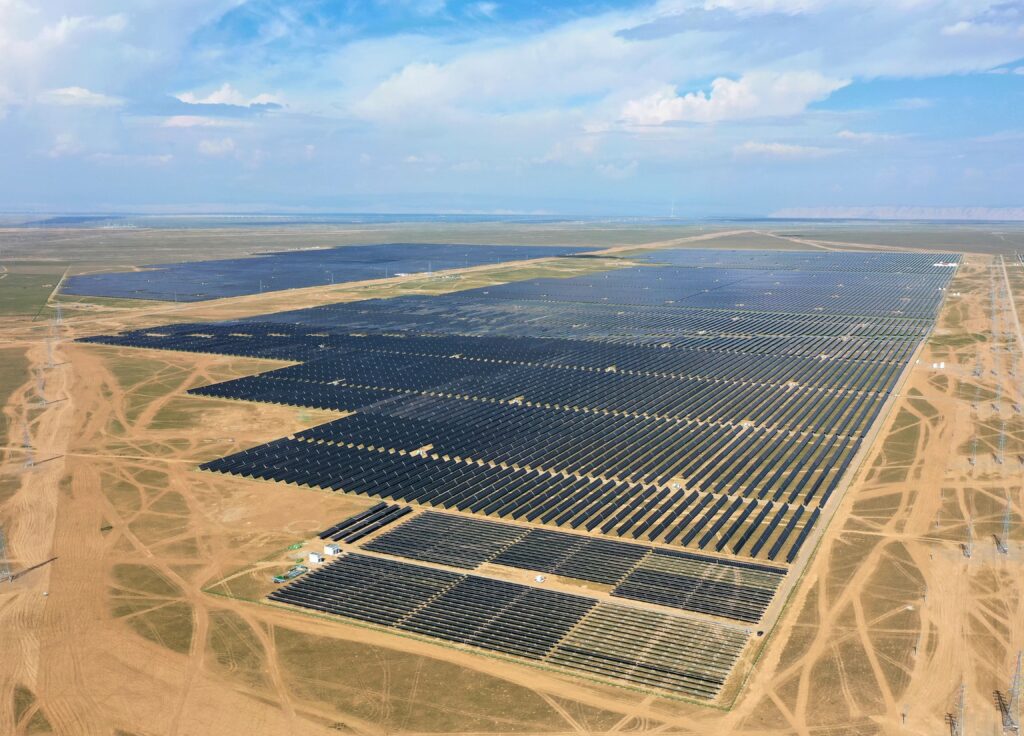
el enfriamiento en zonas desérticas alcanzó un máximo de 3,1 °C en algunas ubicaciones, lo que puede actuar como “refugio” para la vegetación.
Why it matters: Leverage the 'cold island' effect to secure permits by positioning your solar projects as tools for ecological restoration.
Transforming Desert Solar from Burden to Asset
For European solar installers and developers eyeing utility-scale projects in Southern Europe or North Africa, this research shifts the narrative from environmental mitigation to ecological restoration. The 'cold island' effect suggests that PV arrays are not merely land occupiers but active climate modifiers.
Why this matters for installers:When pitching large-scale solar in arid regions, you are no longer just selling energy; you are selling land regeneration. The 3.1°C temperature drop creates a microclimate that supports vegetation growth, which can be leveraged to secure permits in regions that previously viewed solar as a threat to local biodiversity.
Market Context & Implications:The EU’s aggressive solar targets necessitate land use that doesn't trigger 'green-on-green' conflicts. By demonstrating that solar arrays can act as refuges for flora, developers can potentially offset environmental impact assessments (EIAs) and move away from the 'sterilized land' stigma that often plagues desert PV projects. This is a massive win for ESG-focused investors.
Actionable Strategy for Businesses:The industry must pivot from 'minimizing harm' to 'proactive land stewardship.' Those who master this ecological integration will find it significantly easier to navigate the increasingly stringent EU land-use regulations.