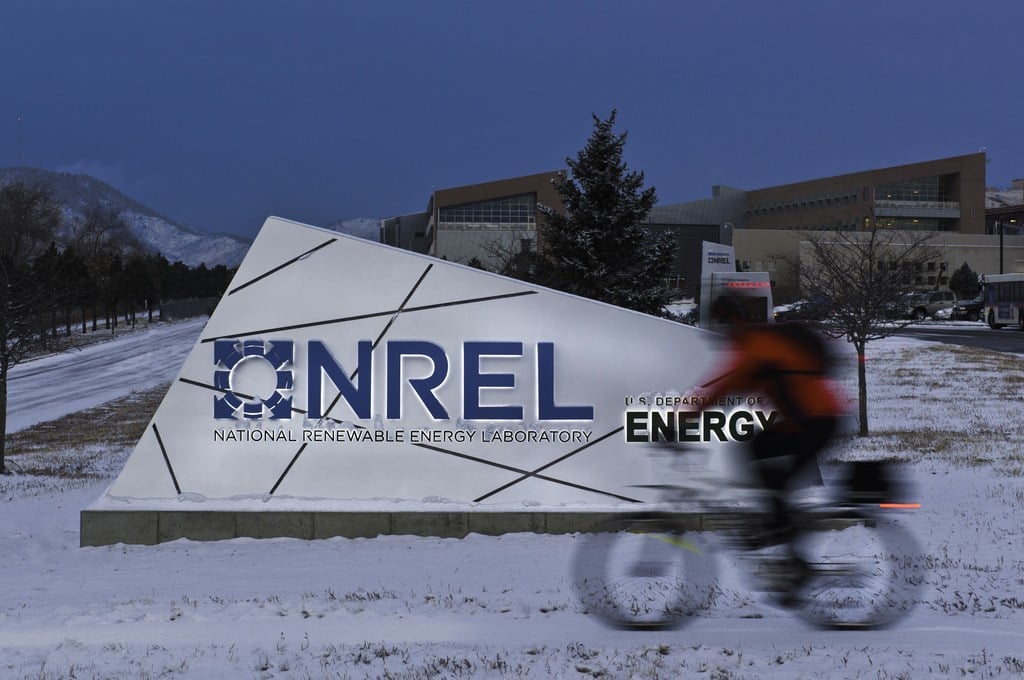
The US Department of Energy has proposed sweeping cuts to its research laboratories, including the National Laboratory of the Rockies (formerly the National Renewable Energy Laboratory).
Why it matters: Pivot your sales strategy toward smart energy management systems as hardware price drops face potential stagnation due to global R&D cutbacks.
The R&D Vacuum Effect
While this news originates in the US, European solar installers shouldn't view this as a distant event. The National Renewable Energy Laboratory (NREL) has long been the global gold standard for PV efficiency benchmarking and testing standards. A 52% funding cut suggests a shift in US domestic policy that risks stalling the pace of R&D, which historically drives down hardware costs globally.
Why This Matters for European Installers
European solar businesses rely on the economies of scale and technological breakthroughs that R&D hubs like NREL catalyze. If the US pivots away from aggressive solar research, the burden of innovation—and the cost-reduction curve—falls squarely on European and Asian research entities. For the average installer, this could mean a deceleration in the rapid 'price-per-watt' decreases we have enjoyed over the past decade.
Strategic Outlook
Solar business owners should prepare for a period where 'hardware innovation' takes a backseat to 'software and integration innovation.' As hardware costs stabilize rather than plummet, your competitive advantage will shift from selling the 'cheapest panel' to selling the 'smartest energy system.' Focus on energy management systems (EMS) and grid-balancing software, as these will be the primary drivers of ROI for your customers in the coming years. Keep a close eye on EU-based research grants; they are about to become the most important funding source for the next generation of PV technology.