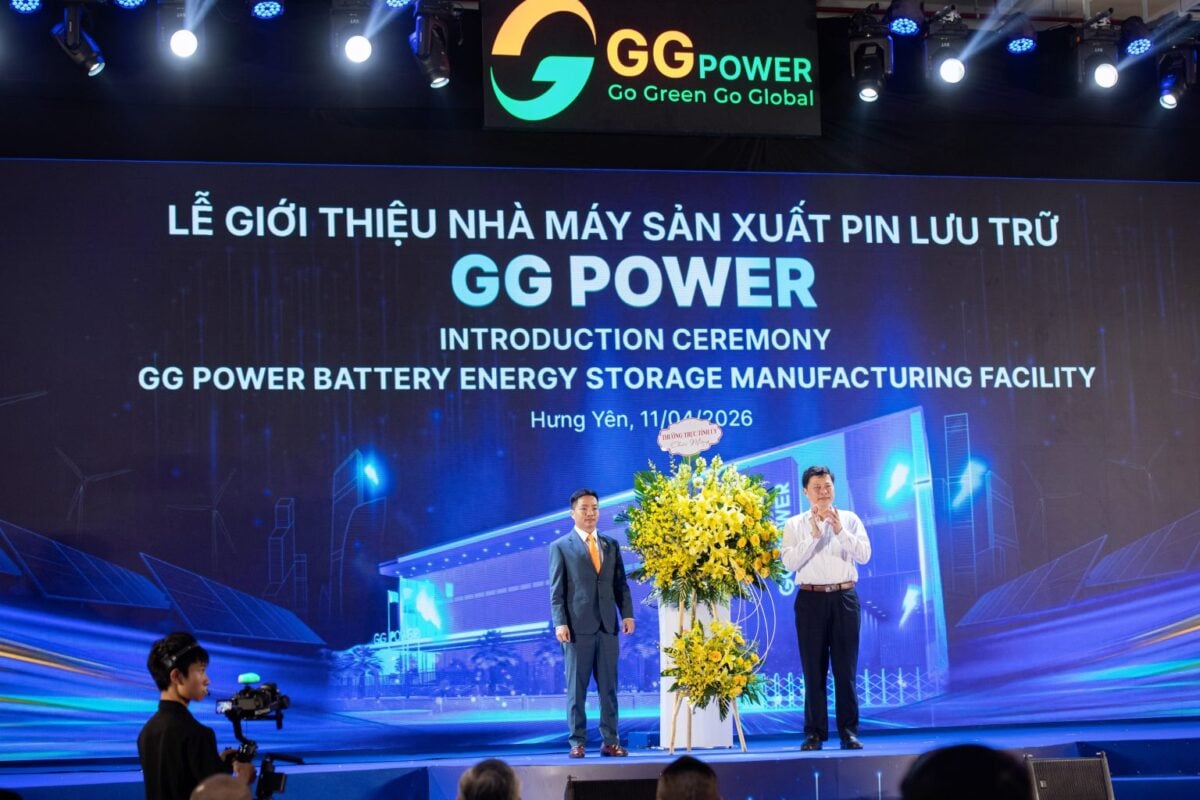
Vietnam’s government will “amend policies” to support production of clean energy technologies, a minister has said at the opening of a battery energy storage system (BESS) factory.
Why it matters: Diversify your battery procurement strategy to capitalize on emerging Southeast Asian manufacturing hubs and mitigate supply chain risk.
Diversifying Beyond China
The opening of GG Power’s 5GWh BESS facility in Vietnam is a clear signal that the global storage supply chain is actively de-risking from China. For European solar installers, this is a development to watch closely. As the EU pushes for greater energy sovereignty, reliance on a single manufacturing hub for lithium-ion technology has become a strategic liability.
The Impact on European Installers
While Vietnam is currently scaling, we expect to see a surge in Southeast Asian-manufactured storage systems hitting the European market over the next 18-24 months. For installers, this represents two critical shifts:
What Should Businesses Watch For?
European installers should not just look at price points. The shift toward Vietnam also brings new regulatory hurdles. Monitor the EU’s evolving Battery Regulation and Carbon Border Adjustment Mechanism (CBAM) requirements. If these new factories can prove lower carbon footprints or better compliance with EU labor standards compared to incumbents, they will become the preferred Tier-1 partners for premium residential and commercial installations. Start vetting these suppliers now; the shift in the global BESS landscape is accelerating, and the installers who secure reliable, non-Chinese supply lines will have a significant competitive edge in the 2025-2026 cycle.