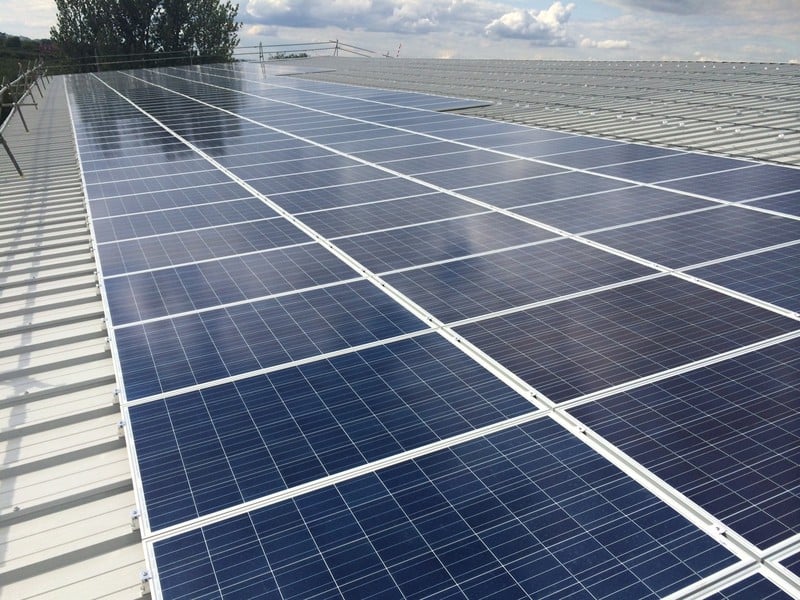
Indian solar manufacturer Vikram Solar has surpassed 10GW in cumulative solar module deployments globally.
Why it matters: Diversify your module procurement strategy now to insulate your business from future supply chain volatility and trade policy shifts.
The Shift in Global PV Manufacturing
Vikram Solar’s achievement of 10GW in cumulative deployments serves as a bellwether for the shifting geopolitical landscape of European solar procurement. As the EU continues to grapple with its over-reliance on Chinese manufacturing, the rise of major Indian players represents a critical diversification strategy for European installers seeking to mitigate supply chain volatility.
Why This Matters for European Installers
For the average European solar business, the 10GW milestone isn't just a vanity metric for Vikram; it signals a maturing, scalable alternative in the non-Chinese module market. European installers are currently facing immense pressure to prove supply chain transparency and compliance with increasingly stringent ESG regulations. Indian manufacturers, benefiting from the Production Linked Incentive (PLI) scheme, are rapidly closing the quality and capacity gap, offering a viable middle ground between premium European-made modules and lower-cost Asian alternatives.
Market Context and Strategic Implications
The European market is currently characterized by a surplus of Tier-1 inventory, but this is a temporary stabilization. As the EU pushes for 'Made in Europe' components, businesses that build relationships with diversified manufacturers now will be better positioned when future trade barriers or local content requirements tighten. Vikram’s ability to scale globally suggests they have the financial and operational robustness to support large-scale European project pipelines.
Actionable Advice for Solar Businesses