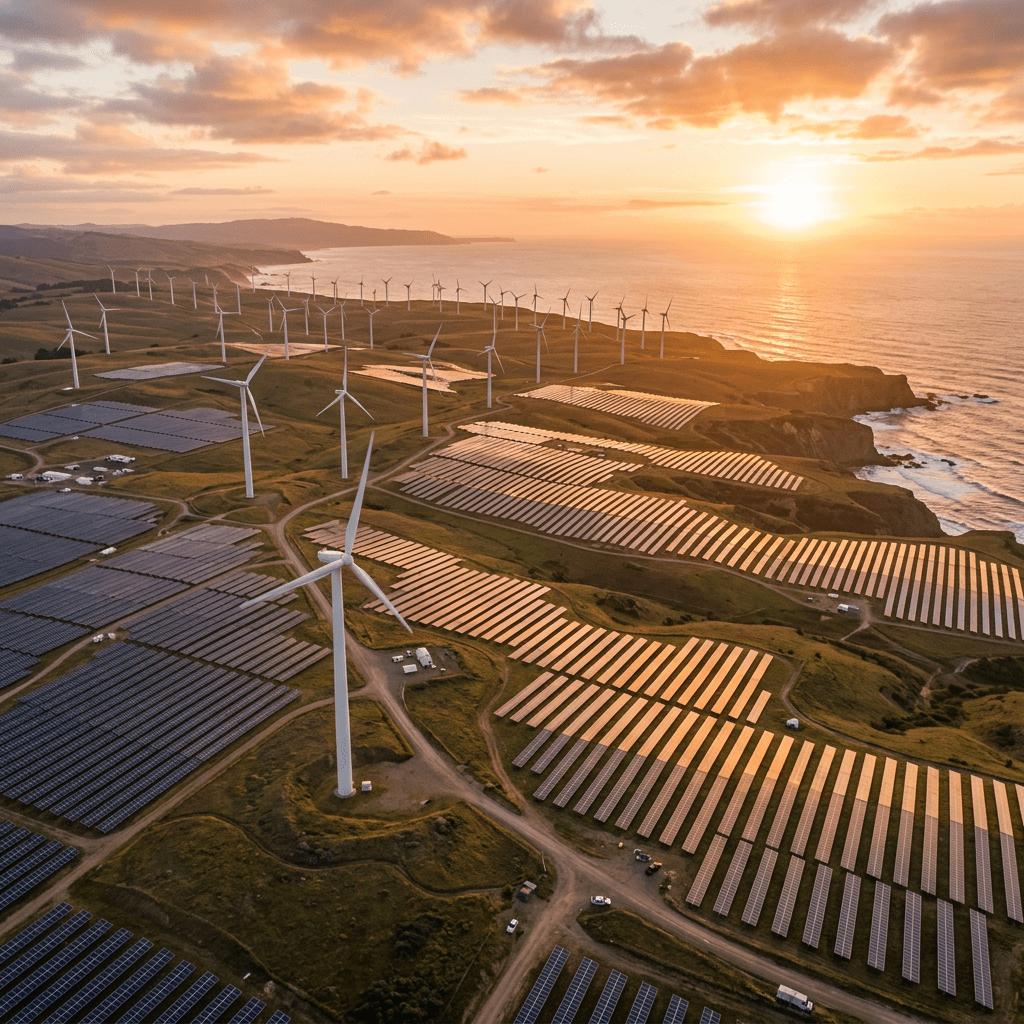
Fourth Partner Energy has extended its partnership with Hyundai Motor Group by supplying an additional 28 MW of renewable energy from a wind-solar hybrid project in Tamil Nadu.
Why it matters: Pivot your C&I sales strategy toward hybrid, high-availability energy solutions to meet the growing demand for 24/7 corporate decarbonization.
The Shift Toward Hybridization
The deal between Fourth Partner Energy and Hyundai is a bellwether for the industrial energy sector. As European manufacturers face increasing pressure to meet Scope 2 emission targets, the reliance on solar-only PPA or rooftop installations is becoming insufficient. Large-scale industrial clients are now demanding 24/7 or high-availability green energy, which solar alone cannot provide due to intermittency.
Why This Matters for European Installers
For mid-to-large installers in Europe, this signals a need to pivot your sales pitch. You are no longer just selling 'solar panels'; you are selling 'energy stability.' When approaching C&I (Commercial and Industrial) clients, the conversation should shift from simple ROI on PV to integrated solutions that include wind, storage, or sophisticated demand-side management. Clients want to mitigate the volatility of grid prices, and hybrid configurations are the most effective hedge.
Strategic Market Implications
What to watch for: Keep a close eye on the regulatory landscape regarding 'hybrid grid connections' in your specific region. As grid congestion becomes the primary bottleneck for solar growth in Europe, hybrid projects that utilize a single connection point will become the path of least resistance for developers and installers alike.