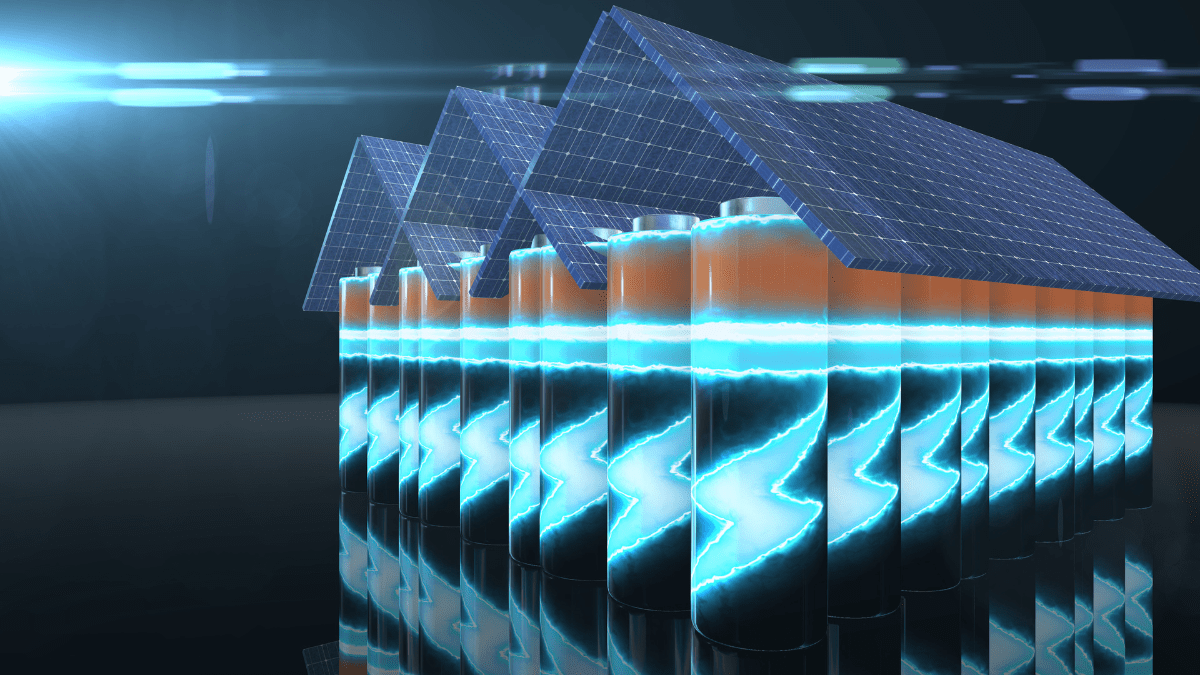
ACME Solar Holdings Limited has announced the commissioning of its sixth phase of the Battery Energy Storage System project, adding 38 MW and 80.252 MWh of capacity.
Why it matters: Integrate BESS solutions into your offerings now to combat the rising threat of solar price cannibalization in European energy markets.
The Shift Toward Dispatchable Renewables
While this project is based in Rajasthan, the underlying mechanics of ACME Solar's move toward a 285 MW BESS (Battery Energy Storage System) portfolio offer a blueprint for the European market. As we see higher penetration of intermittent solar across the EU, the 'duck curve' is becoming a reality for grid operators in Spain, Italy, and Germany.
Why This Matters for European Installers
European solar businesses must pivot from selling 'panels and inverters' to selling 'energy management.' Your residential and commercial customers are increasingly asking about self-consumption and grid-balancing. When a developer builds 80 MWh of storage, they are solving for price cannibalization—a phenomenon now hitting European spot markets where solar generation peaks simultaneously with zero or negative pricing.
Market Implications
The global trend toward larger, more modular storage phases indicates that lithium-ion costs are stabilizing, and software-defined energy management is taking center stage. For the average installer, this means the barrier to entry for storage is dropping, but the technical complexity is rising. You can no longer just install a battery; you must ensure it communicates effectively with the grid to maximize ROI through dynamic pricing.
What Businesses Should Watch
Keep a close eye on the secondary market for battery software. As utility-scale projects mature, the technology used to manage these assets will trickle down to the C&I (Commercial and Industrial) sector. Start upskilling your team on energy management systems (EMS) today, or you will be left selling hardware in a market that demands intelligent software solutions.