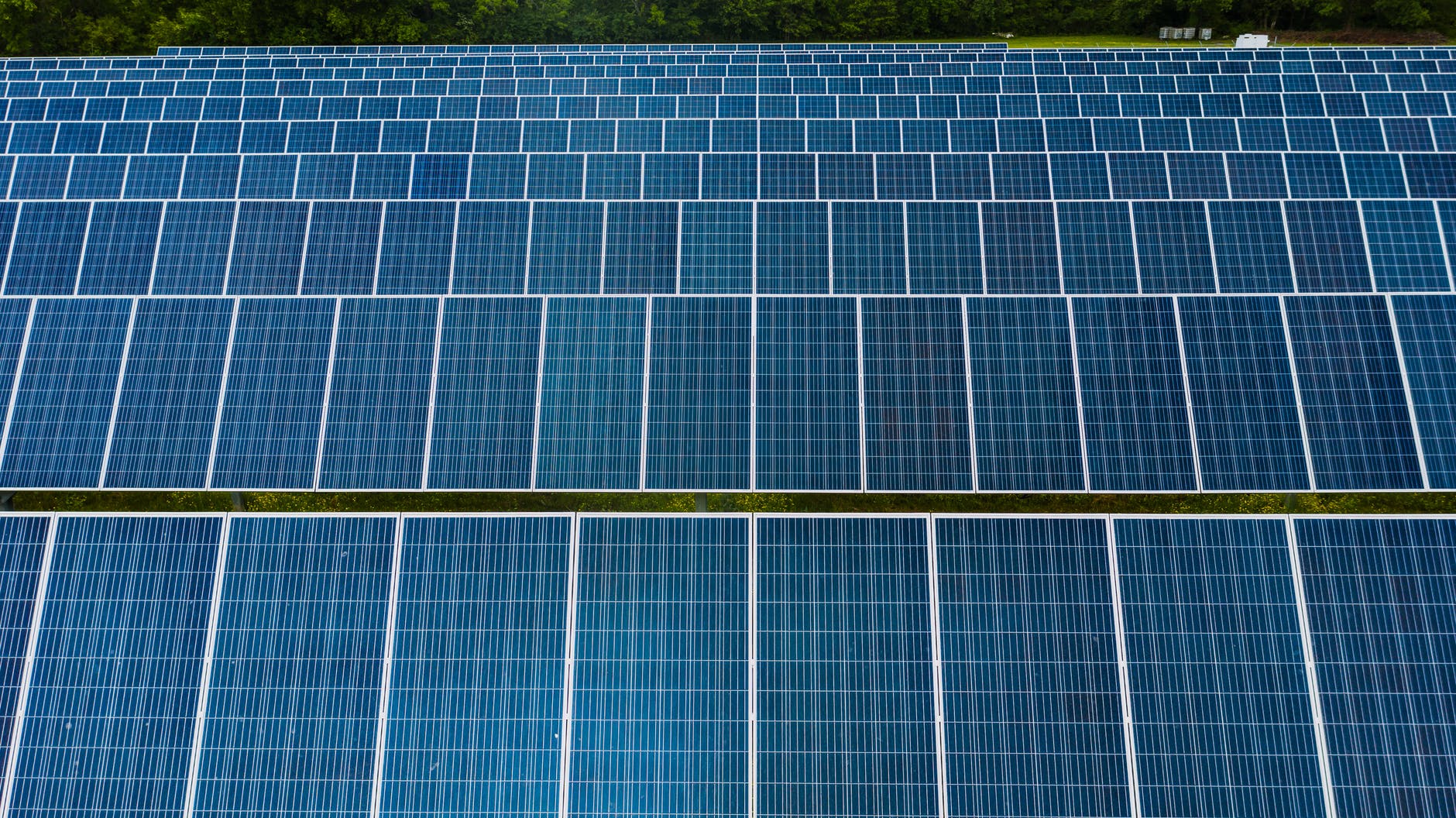
Zambia is advancing its energy sector with a 100 MW solar power project in Chisamba, linked to First Quantum Minerals. Developed by ZESCO's subsidiary, this project marks the largest grid-connected solar initiative in the country.
Why it matters: Leverage the trend of industrial self-consumption to secure high-value commercial contracts beyond standard residential rooftop installations.
Why this matters for European installers
At first glance, a project in Zambia feels worlds away from the European residential and C&I market. However, the decoupling of industrial energy demand from the grid—as seen with First Quantum Minerals—is the exact blueprint we are seeing across Europe. Large-scale energy consumers are no longer waiting for grid upgrades; they are aggressively pursuing direct-wire or dedicated solar projects to hedge against volatility.
Market context and implications
The Zambian model highlights a critical shift: the transition from state-led utility projects to private-sector driven infrastructure. In Europe, we are seeing this through the explosion of Corporate Power Purchase Agreements (CPPAs). When a major industrial player anchors a 100MW project, it de-risks the capital investment, allowing developers to move faster than public utility tenders ever could.
For European solar businesses, the implication is clear: the most lucrative growth isn't just in rooftop domestic installations, but in partnering with industrial clients who have the balance sheet to support mid-to-large scale solar assets. The barrier isn't technology; it's the ability to navigate the intersection of private investment and grid integration.
What businesses should watch for