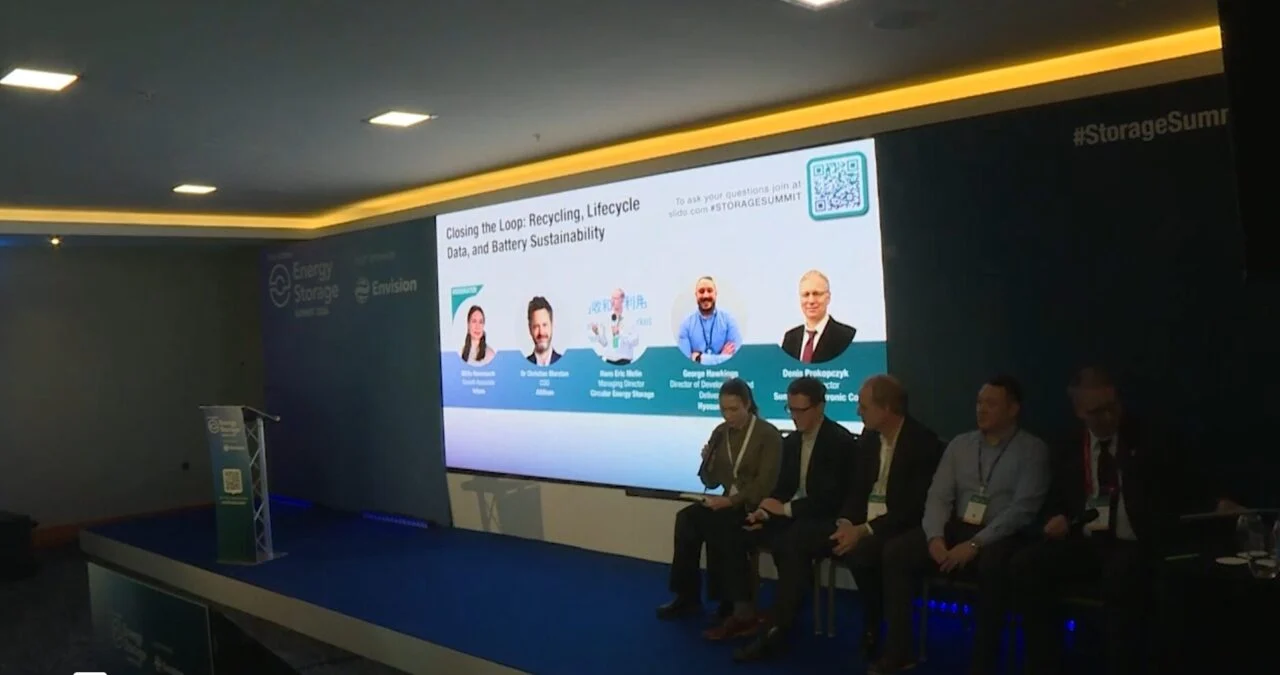
How can the industry prepare for when the first wave of utility-scale BESS projects begin to reach end-of-life?
Why it matters: The EU's battery regulations will hold you accountable for disposal; start baking recycling costs into your EPC margins now or face a balance sheet disaster later.
The Hidden Liability in Your Balance Sheet
We’re currently obsessed with the gold rush of deploying BESS capacity to capture arbitrage and ancillary service revenue. But the 2026 Energy Storage Summit is finally forcing a conversation we’ve been dodging: What happens when those lithium-ion packs hit their 10-year cliff? If you are an EPC or a developer, you need to look closer at your O&M agreements right now.
Most developers treat end-of-life as a problem for the 2035 version of themselves. That’s a mistake. If the EU’s Battery Regulation (2023/1542) has taught us anything, it’s that 'Extended Producer Responsibility' is coming for the energy sector just as hard as it did for the automotive industry.
Three things you must demand from OEMs today:
Stop thinking of batteries as simple hardware. They are high-density chemical assets with a finite expiration date. If your pitch to a C&I client in Bavaria or Andalusia doesn't account for a cradle-to-grave cost analysis, you aren't selling a solution—you're selling a future tax liability.