← All news

Brookfield’s India Exit: The Institutional Playbook for EU Solar

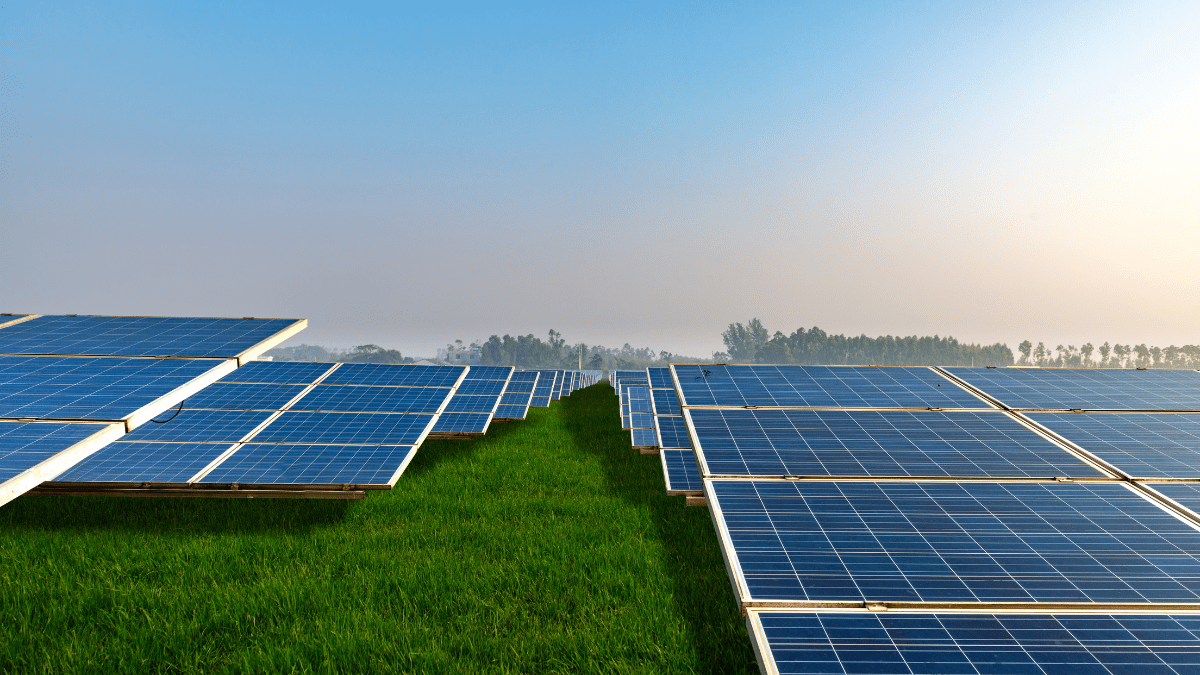
Aerial view of a large-scale solar farm in a desert landscape
Large-scale solar assets are increasingly being traded to maximize capital velocity.
Brookfield Asset Management plans to divest its 550 MW solar project in Bikaner, Rajasthan, valued at around ₹3,000 crore, as part of its capital recycling strategy.

The Infrastructure Yield Trap

Brookfield doesn't sell because the project is failing; they sell because the IRR hurdle for their next development cycle has changed. When a global giant like Brookfield cashes out of 550 MW in Rajasthan, they are signaling a move from 'developer' to 'asset flipper' to maximize capital velocity. For the European installer or regional IPP, this is the blueprint for the next decade of consolidation.

Why This Is Your Problem

  • The Capital Recycling Game: You might think your role is to install panels, but the real money in 2026 is in the exit. If you aren't building projects with long-term, bankable PPA structures that pension funds or insurance companies want to buy, you’re just a contractor, not a player.
  • The Cost of Capital: Brookfield is chasing higher yields. In the EU, as interest rates hover in the 3-4% range, the appetite for operational solar portfolios is massive, but only for assets that pass rigorous due diligence. If your O&M logs look like a mess or your string monitoring data is incomplete, you aren't getting the premium valuation that Brookfield is hunting.
  • Strategic Liquidity: Don’t get emotional about your portfolio. If a local utility or a larger fund approaches you for an acquisition, look at your 'Return on Effort.' Brookfield is freeing up equity to chase higher-margin storage or green hydrogen projects. Are you locking your capital into low-yield, 10-year-old ground mounts, or are you ready to pivot to the next tech cycle?

The lesson here is simple: Build for the exit, not for the pride of ownership. If your project documentation isn't ready for a Brookfield-level audit, you’re leaving money on the table every time you bid a new installation.

Why it matters: Institutional investors are treating solar as a commodity. If your project isn't audit-ready, you’re missing out on the exit valuation.
📰 Read original article at SolarQuarter →