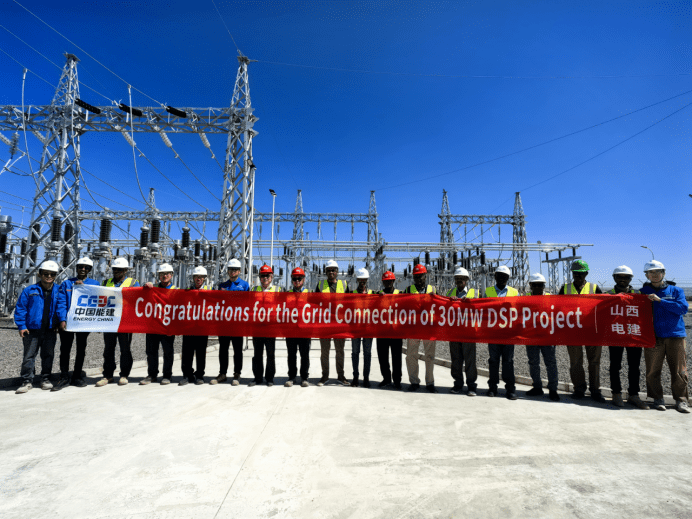
Eritrea has connected its largest solar photovoltaic plant, a 30 MW facility in Dekemhare, to the grid. Developed by China Energy Engineering Corporation, this project includes a 15 MW/30 MWh energy storage system.
Why it matters: The rapid BESS deployment in emerging markets is accelerating the commoditization of storage hardware — watch your margins closely.
The Export Strategy You’re Ignoring
While European installers are busy navigating the latest convoluted EU grid connection queues or waiting for local planning boards to approve a 500kW rooftop, China Energy Engineering Corporation (CEEC) is turning the Global South into a massive, live-fire testing ground for their vertically integrated BESS solutions. This 30MW/30MWh project in Eritrea isn't just about regional development; it’s about scaling the hardware that will eventually flood the European market at price points you can’t touch.
Why This Matters for Your P&L
If you think the current inverter and module oversupply is brutal, look at the integration speed here. CEEC is deploying massive storage assets alongside PV with zero friction. For the European pro, the lesson is clear: the hardware is becoming a commodity, but the integration speed is the new competitive moat.
By the time these systems meet the stringent requirements of the EU’s Cyber Resilience Act or the upcoming Ecodesign regulations, the manufacturers will have perfected their software-defined power plants. If you aren't already evaluating your BESS suppliers on their software-update agility rather than just cell chemistry, you’re looking at the wrong metrics. The hardware is a commodity—the ability to manage grid services through remote, localized updates is the only thing that will keep your O&M margins from hitting zero by 2028.