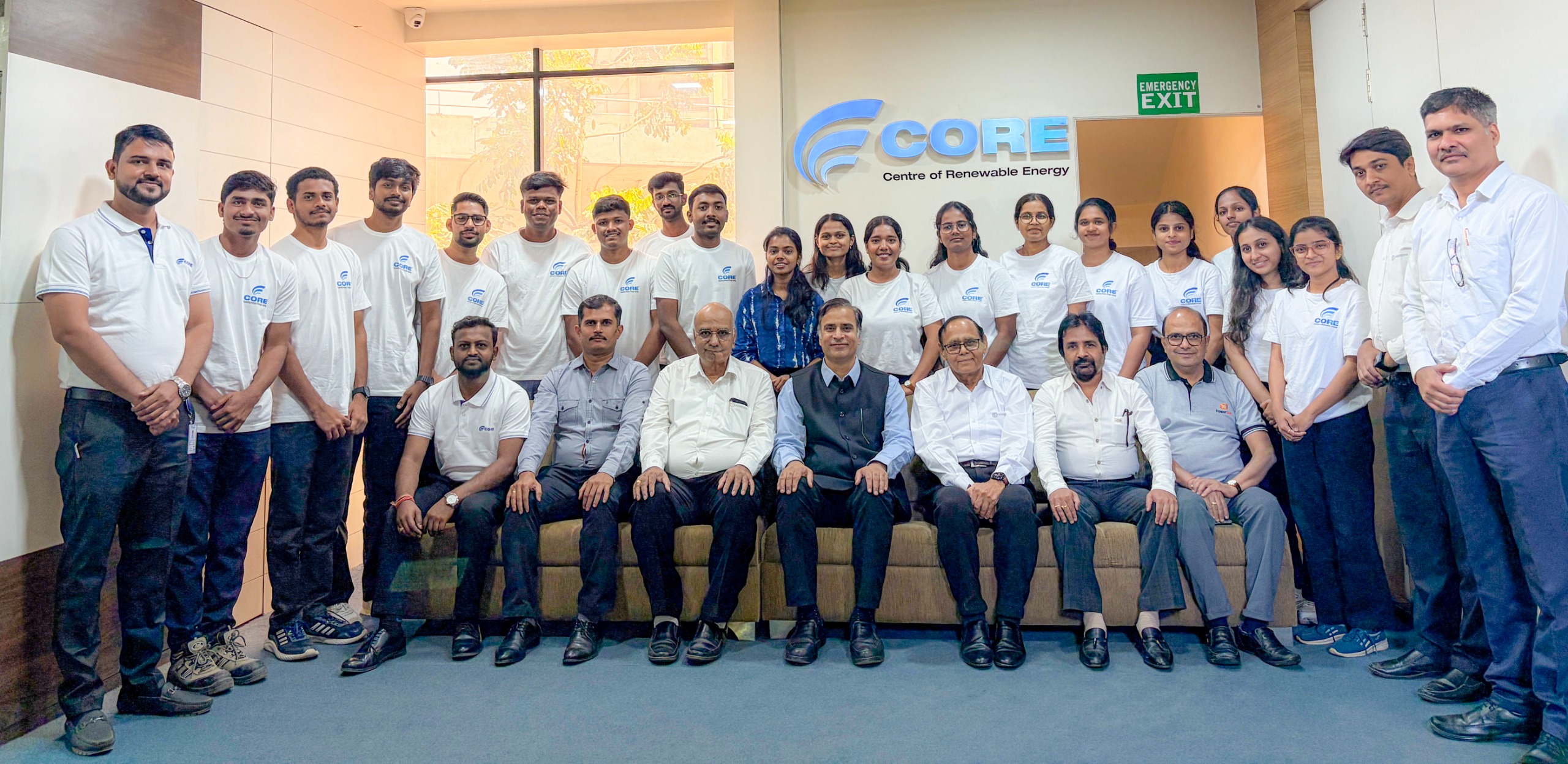
The Centre of Renewable Energy (CORE) has partnered with Tata Power to create a training program focusing on wind turbine operations and maintenance. This structured program combines classroom learning with field experience and advanced troubleshooting.
Why it matters: Invest in your own in-house training pipelines now to avoid the looming labor shortage that will cripple project delivery speeds.
The Hidden Bottleneck of the Energy Transition
While this partnership focuses on wind, the underlying challenge is universal: the European solar industry is facing a massive human capital crisis. As we push for aggressive capacity targets, the limiting factor is no longer capital or hardware, but the availability of qualified, field-ready technicians. Tata Power’s move to formalize training through a dedicated academy is a blueprint that European SME installers must urgently replicate or adapt.
Why This Matters for European Installers
In Europe, the 'workforce gap' is the primary reason for project delays and soaring installation costs. When you rely on fragmented sub-contracting, your quality control suffers. By creating internal training pipelines—even at a smaller, company-specific level—you insulate your business from the volatile labor market. Relying on government-funded vocational training is often too slow and too generic to keep up with rapid advancements in battery storage and smart inverter integration.
Strategic Implications
What Businesses Should Watch For
Keep a close eye on the emergence of private-sector-led 'Micro-Academies.' The most successful installers in the coming three years will be those that treat workforce development as a core business function rather than an HR afterthought. If you aren't building a pipeline for your own future workforce, you are essentially gambling on the availability of talent that simply doesn't exist at scale yet.