← All news

LONGi’s 25.4% Efficiency Flex Is a Math Problem for Your Roofers

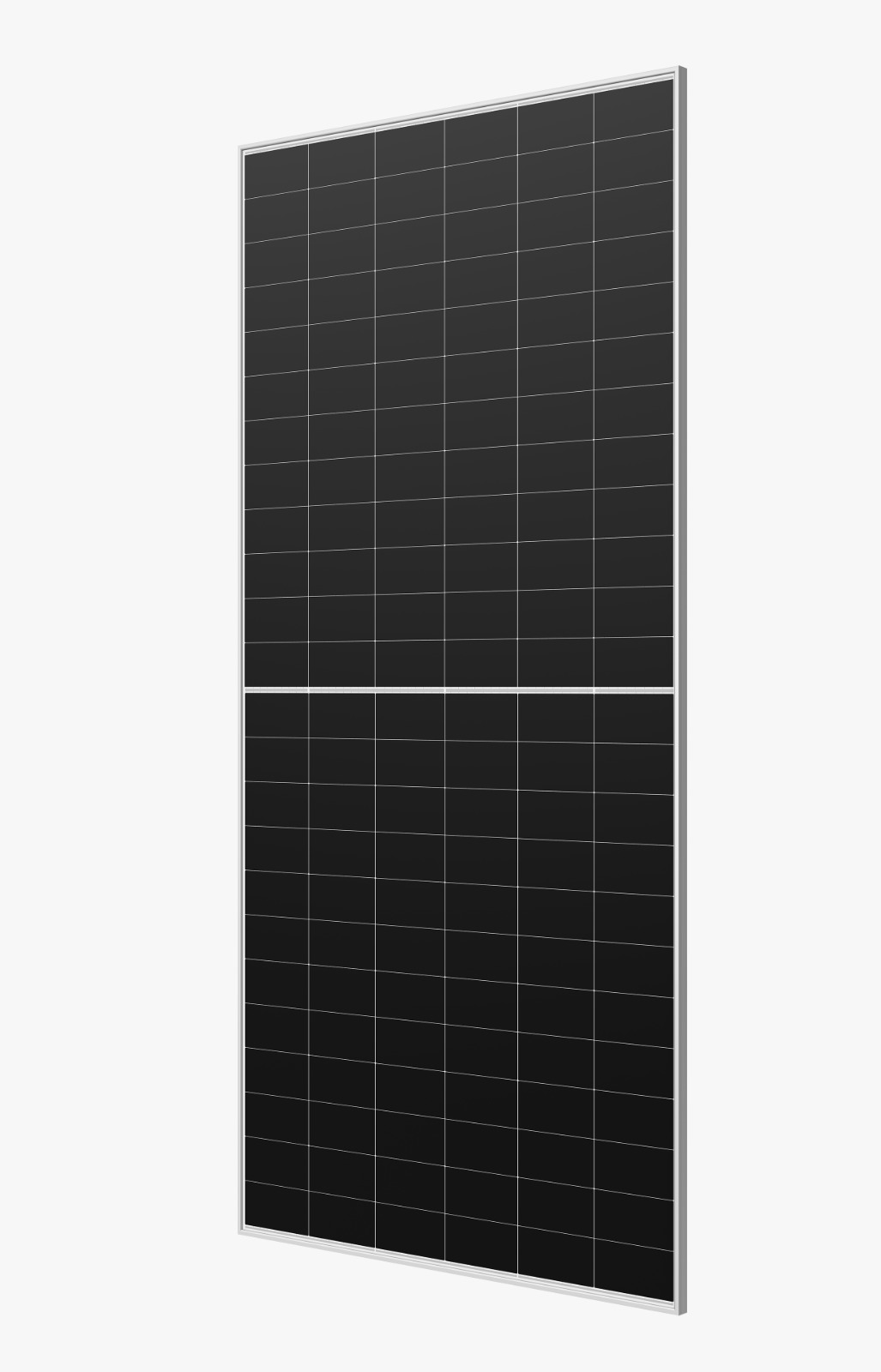
Close-up of the LONGi Hi-MO S10 solar module showing its sleek black cell technology
The LONGi Hi-MO S10: impressive specs, but check your racking compatibility first.
LONGi's Hi‑MO S10 solar module boasts an industry-leading efficiency of up to 25.4% and power output between 665W and 685W, utilising advanced HIBC technology for optimal energy generation.

The Race to 25% Is Mostly Vanity

Another month, another decimal point shaved off the theoretical limit of silicon. LONGi’s new Hi-MO S10, hitting 25.4% efficiency with HIBC (Hybrid Passivated Back Contact) tech, is undeniably impressive in a lab. But let’s look at the reality of installing 685W behemoths on a standard Dutch or German rooftop.

Why Bigger Isn't Always Better

We’ve reached a point of diminishing returns for the average installer. Here is why you should hold your applause:

  • Handling Costs: These modules are physically massive. If you’re installing in high-wind regions under Eurocode 1, the structural load and the sheer surface area per panel increase the risk of micro-cracking during installation. Your labor costs will tick up, not down, to compensate for the delicate handling of these high-wattage units.
  • BOS Economics: A 685W panel sounds great until you calculate the string sizing. Most string inverters on the market—think Huawei SUN2000 or Fronius Tauro—are already being pushed to their current limits by the previous generation of 600W+ panels. You’ll be hitting voltage ceilings or current clipping faster, necessitating more complex string configurations or more expensive, high-current-capable MPPTs.
  • The Margin Trap: LONGi is playing the volume game to defend its market share against Jinko and Tongwei. They want to set the 'benchmark,' but for you, this is just another SKUs to manage. Unless your project is a massive utility-scale site where you can optimize the racking system precisely for this form factor, the 'efficiency gain' is eaten by the logistics and mounting complexity.

If you're doing residential, keep your life simple and stick to the 450W-500W sweet spot. Unless you're building a 50MW plant in the Spanish sun where every square meter of land lease cost matters, this 'record-breaking' module is just a shiny object distracting you from your real margin-killers: cable management and inverter lead times.

Why it matters: Don't chase the efficiency record; chase the panel that fits your racking system and inverter input limits without breaking your installers' backs.
📰 Read original article at SolarQuarter →